


Introduction
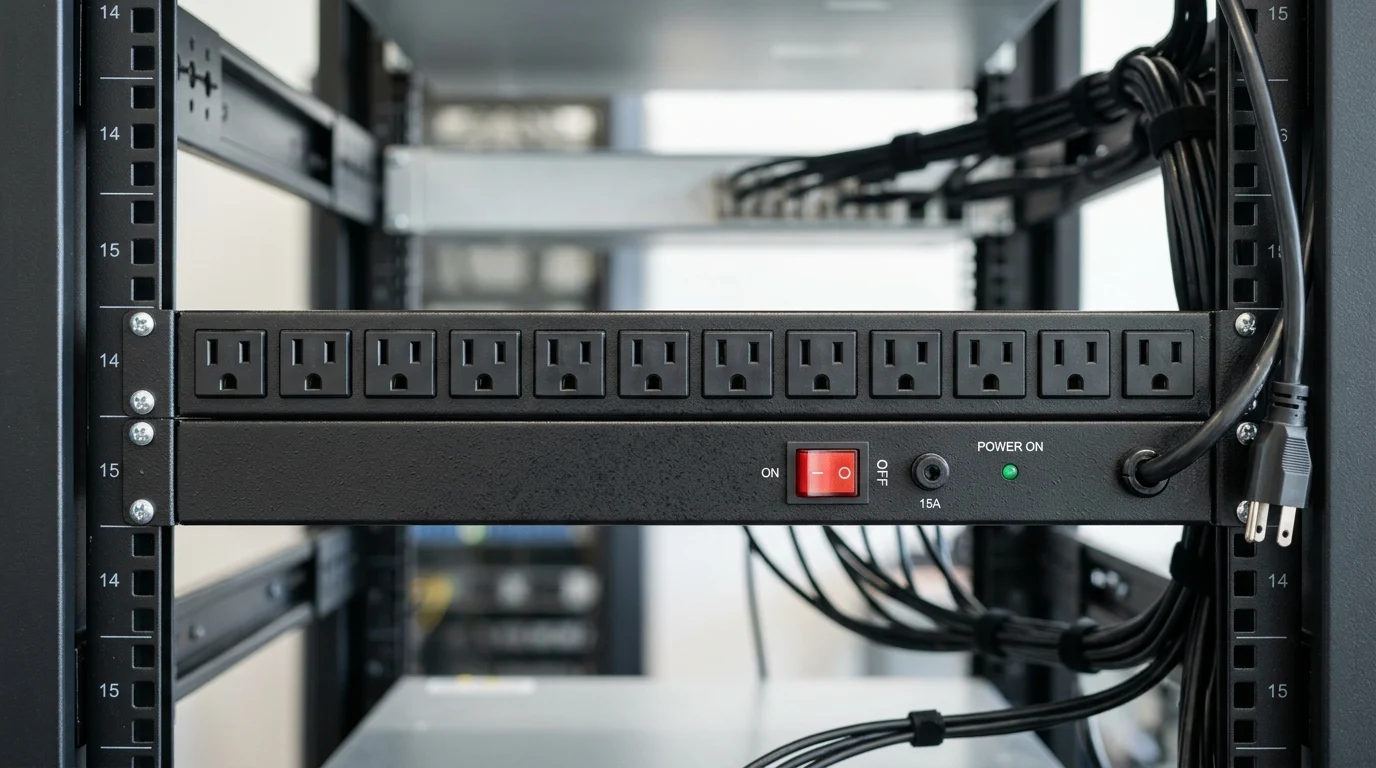
Standard rack power units are often designed for predictable layouts, but enterprise networking environments rarely stay predictable for long. From compact edge cabinets and telecom shelters to high-density network racks, a basic PDU often needs tailored outlet configurations, mounting dimensions, plug types, and load capacity to fit the equipment and operating conditions. This article explains where customized basic PDUs deliver practical value, what requirements typically drive customization, and how the right design choices can improve power distribution, space use, and reliability. With that context in place, it becomes easier to evaluate which specifications matter most for your network deployment.
Why Customized Basic PDUs Matter in Specialized Environments
I’ve spent years dealing with data center hardware, and I can tell you firsthand that one-size-fits-all power distribution rarely works for unique setups. We often default to standard units because they are easy to order, but when you’re managing complex or non-standard infrastructure, a customized Basic PDU quickly becomes the unsung hero of your server rack. Getting the power right from the start prevents massive headaches down the road.
Specialized environments that require customized Basic PDUs
We are seeing specialized environments pop up everywhere, from edge computing micro-data centers in remote warehouses to rugged telecom enclosures exposed to the elements. These setups often cram high-performance compute and networking gear into spaces that standard 42U or 48U racks simply don’t accommodate. When rack power densities push past the 15kW to 30kW threshold, relying on generic, off-the-shelf power strips is a recipe for overloaded circuits and catastrophic downtime. In these scenarios, you need custom outlet layouts, specific form factors—like highly compact 0U vertical strips tailored to exact cabinet heights—and heavy-duty internal wiring that can handle sustained, brutal loads without overheating.
How to position a Basic PDU for enterprise networking
needs
So, how do you position a basic unit for demanding Enterprise Networking needs? It all comes down to stripping away the fluff to maximize reliability. Smart, metered, or switched PDUs are great for remote management, but they add unnecessary firmware vulnerabilities, internal IP addresses to manage, and significant cost when all you actually need is bulletproof power delivery. By opting for a custom basic unit, you get exactly the physical power distribution required without paying a 200% to 300% premium for monitoring features you might already be handling upstream at the UPS or branch circuit level. Plus, unlike large legacy brands with rigid, inflexible systems, boutique manufacturers offer the operational flexibility to tweak physical designs to perfectly match your unique operational needs and rack architecture.
Key Basic PDU Specifications for Power Distribution Matching

When we get down to the brass tacks of power distribution, the physical and electrical specifications matter more than almost anything else. You can’t just guess your load, order a generic strip, and hope for the best. Tailoring your power hardware ensures long-term stability.
Basic PDU configuration points to compare first
The first configuration points I always compare are input amperage, voltage ratings, and outlet density. Are you running a standard 16A feed, or do you need a high-capacity 32A or even 63A line for heavy enterprise switches? Do you need a specific mix of standard C13 and high-draw C19 receptacles? Let’s break down the typical differences you’ll see when comparing standard versus custom specs:
| Specification | Standard Off-the-Shelf | Customized Basic PDU |
|---|---|---|
| Input Amperage | 16A or 32A fixed | 10A to 63A tailored |
| Outlet Mix | Fixed (e.g., 20xC13, 4xC19) | Any ratio required by equipment |
| Chassis Length | Standard 1U or 0U (1.5m) | Custom fit (0.5m to 2.2m) |
| Cable Length | 3 meters standard | 1m to 10m exact fit |
| Breaker Type | Standard thermal | Hydraulic-magnetic options |
Getting these exact Requirements dialed in prevents dangerous cable clutter and ensures you aren’t forced to daisy-chain power strips—a massive compliance violation in any serious facility.
Trade-offs between standard and customized options
Naturally, there are distinct trade-offs between standard and customized options that you have to weigh. With off-the-shelf units, you get immediate availability, but you might end up with three extra meters of thick input cable coiled dangerously at the bottom of your rack, restricting airflow. A Customized Solution gives you the exact fit, right down to the millimeter, but you have to factor in manufacturing and transit time. However, the barrier to entry for custom gear has dropped significantly. I’ve worked with highly flexible manufacturers where the Minimum Order Quantity (MOQ) for a custom build is as low as 30 to 50 units. That is a game-changer compared to the strict 500-unit MOQs demanded by larger, more rigid legacy players.
How to Evaluate Basic PDU Supply, Compliance, and Deployment
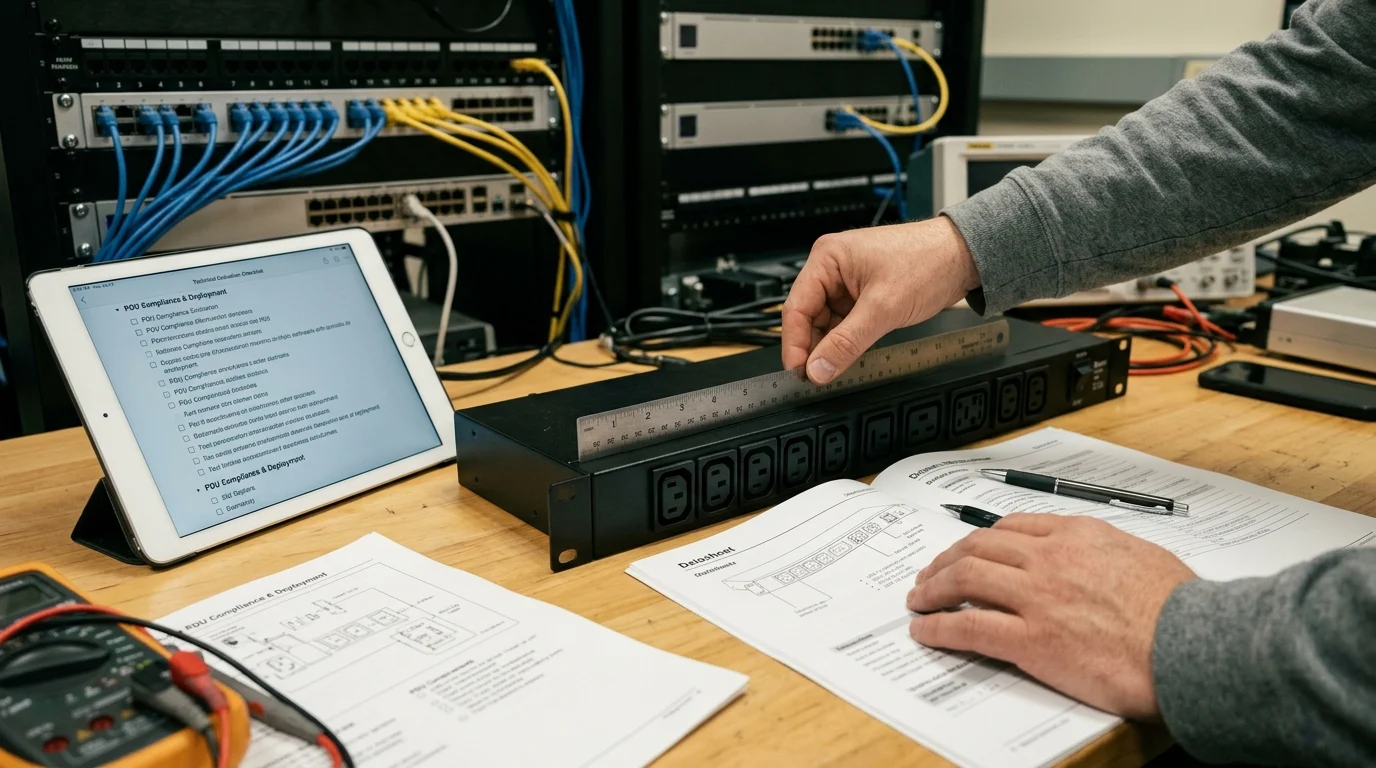
Figuring out the perfect specifications is really only half the battle. If you want to successfully roll out these units across multiple data halls or remote branch sites, you have to navigate the sometimes murky waters of global supply chains and strict electrical safety compliance.
Compliance, quality, and regional power requirements
You absolutely cannot cut corners on compliance, especially when dealing with complex, multi-region power grids. Whether your facility requires CE marking for European deployments, UL listing for North American sites, or UKCA compliance, your chosen PDU Manufacturer must provide certified, traceable components. When evaluating quality, I always look for a demonstrated defect rate of less than 0.1% and internal components rated for high-temperature environments—typically supporting up to 60°C (140°F) operating temperatures to survive hot-aisle containment zones. Regional voltage and plug requirements also mean your custom unit might need to handle 120V with NEMA plugs in one facility, and 230V or 400V 3-phase with IEC connectors in another, all while maintaining strict ±5% to ±10% voltage tolerances.
Practical sourcing and rollout steps
When it comes to practical sourcing and rollout steps, my absolute best advice is to partner with an agile, customer-focused supplier. Large corporations often force you into incredibly complicated procurement systems and rigid delivery schedules that don’t align with your project milestones. I strongly prefer working with operations that are flexible enough to match my specific deployment pace and operational needs. With a nimble partner, you can often get fully custom prototypes in your hands within 2 to 3 weeks, followed by full production runs scaling up in just 4 to 6 weeks. This operational agility allows you to phase your enterprise rollouts intelligently, validate the power distribution in a single test environment, and scale up seamlessly without tying up all your capital in a massive upfront inventory purchase.
Key Takeaways
- The most important conclusions and rationale for Basic PDU
- Specs, compliance, and risk checks worth validating before you commit
- Practical next steps and caveats readers can apply immediately
Frequently Asked Questions
When should I choose a customized Basic PDU instead of a standard model?
Choose custom when your rack has non-standard height, unusual C13/C19 mix, high density above 15kW, or specific cable and plug requirements.
What specifications matter most for a Basic PDU?
Focus on input amperage and voltage, outlet type and quantity, chassis length, cable length, plug type, and breaker style to match your rack load safely.
Why is a Basic PDU often better than a smart PDU for enterprise networking?
A Basic PDU reduces cost, avoids firmware and IP management, and delivers reliable power when monitoring is already handled by the UPS or branch circuit.
Can Newsunn customize Basic PDUs for specialized cabinets and edge sites?
Yes. Newsunn can tailor outlet layouts, 0U or 1U form factors, cable lengths, plugs, and current ratings for telecom, edge, and data center deployments.
What is a practical MOQ for custom Basic PDU orders?
For many projects, custom Basic PDU MOQs can start around 30 to 50 units, depending on the configuration and manufacturing requirements.