


Introduction
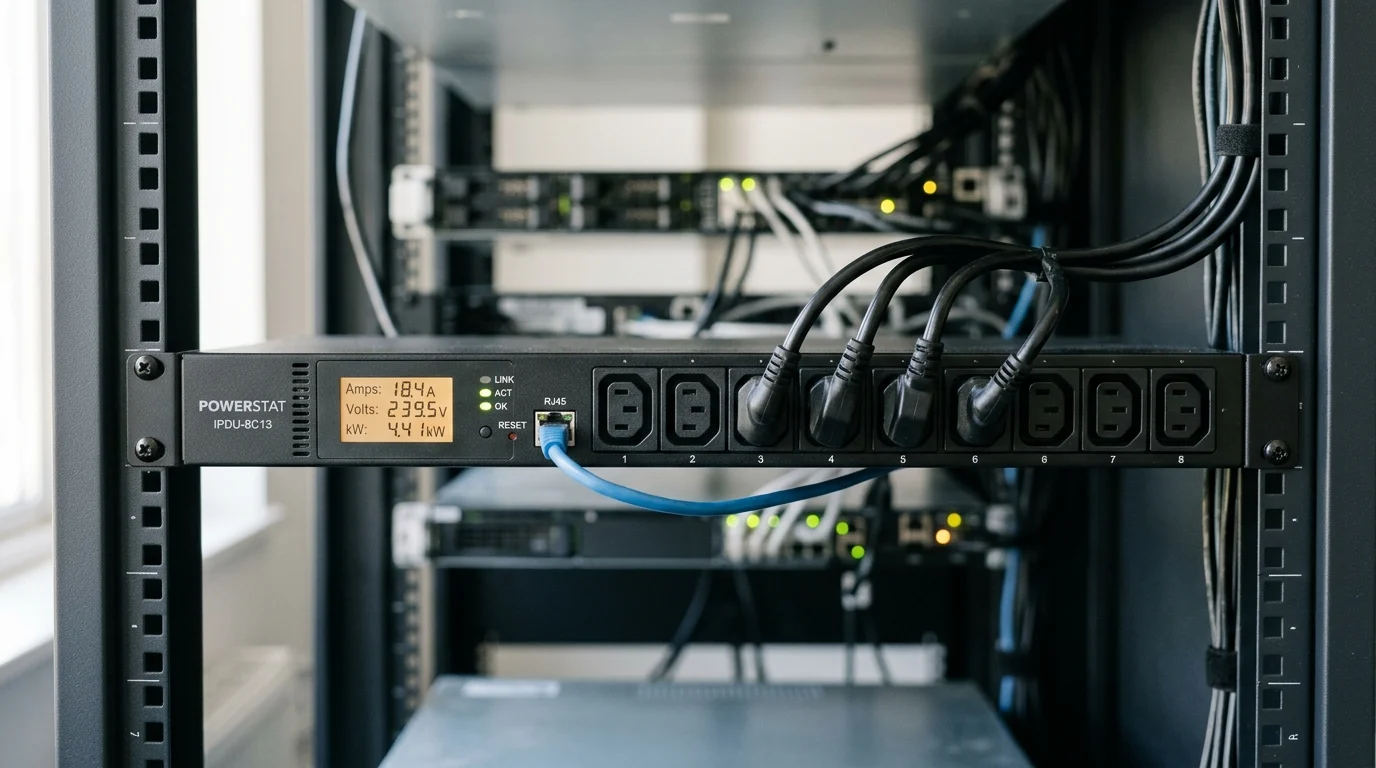
As hyperscale and AI workloads drive rack power densities higher, intelligent PDUs are moving from optional accessories to critical infrastructure components. This article explains why the market is entering a new standardization phase, what operational pressures are forcing that change, and how modern rack-level power monitoring supports reliability, efficiency, and large-scale deployment. Readers will gain a clear view of the technical and business factors behind standardization, along with the role intelligent PDUs now play in managing power, environmental visibility, and risk across increasingly complex data center environments.
Why Intelligent PDU Standardization Is Entering a New Phase
The data center industry has experienced a massive shift in power management over the last few years. The days of treating rack power strips as basic, commodity hardware are officially behind us. Managing power used to mean reading a local LED display once a month, but today, the stakes are simply too high. As rack densities push past the 20kW to 40kW mark—and sometimes even higher for specialized compute—operators require comprehensive visibility.
Facilities can no longer afford to fly blind regarding power consumption and environmental conditions at the cabinet level. A single tripped breaker can take down millions of dollars worth of compute, making proactive monitoring essential. The transition from basic power strips to networked, intelligent devices is now a foundational requirement for any modern facility aiming for high availability and efficiency.
Market drivers reshaping intelligent PDUs
The explosion of AI, machine learning, and high-performance computing is the primary driver of this shift. Cloud giants are deploying GPU clusters that consume megawatts of power, making rack-level monitoring a strict requirement rather than a luxury. When managing thousands of cabinets across multiple availability zones, even a 1% improvement in power usage effectiveness (PUE) translates to millions of dollars saved annually.
This relentless push for efficiency is driving the adoption of the Intelligent PDU as a critical infrastructure node. Operators are no longer looking at basic amperage readouts; they need environmental sensor integration, remote switching, and granular outlet-level metering to keep high-density racks from overloading circuits or overheating. By catching a sudden spike in power draw early, teams can identify a failing server fan or a misconfigured workload before it causes a thermal event. This granular visibility is fundamentally transforming capacity planning.
Core standards and interoperability requirements
To avoid vendor lock-in with proprietary management software, standardization is finally taking center stage. The industry is moving toward open APIs and universal protocols like Redfish, JSON-RPC, and SNMPv3 to ensure these devices integrate seamlessly with existing DCIM (Data Center Infrastructure Management) tools. Adopting standard data models eliminates the need to write custom integration scripts for every new unit purchased.
From a hardware perspective, the Open Compute Project (OCP) and other Technical Standards groups are pushing for common form factors, modular components, and universal input connectors. There is a strong industry push for standardizing on IEC 60309 and NEMA locking plugs, alongside a demand for hot-swappable network controllers. This modularity allows operators to upgrade firmware or replace a faulty controller without dropping payload power to critical servers, delivering a massive operational advantage.
How to Evaluate Intelligent PDU Specifications and Vendors
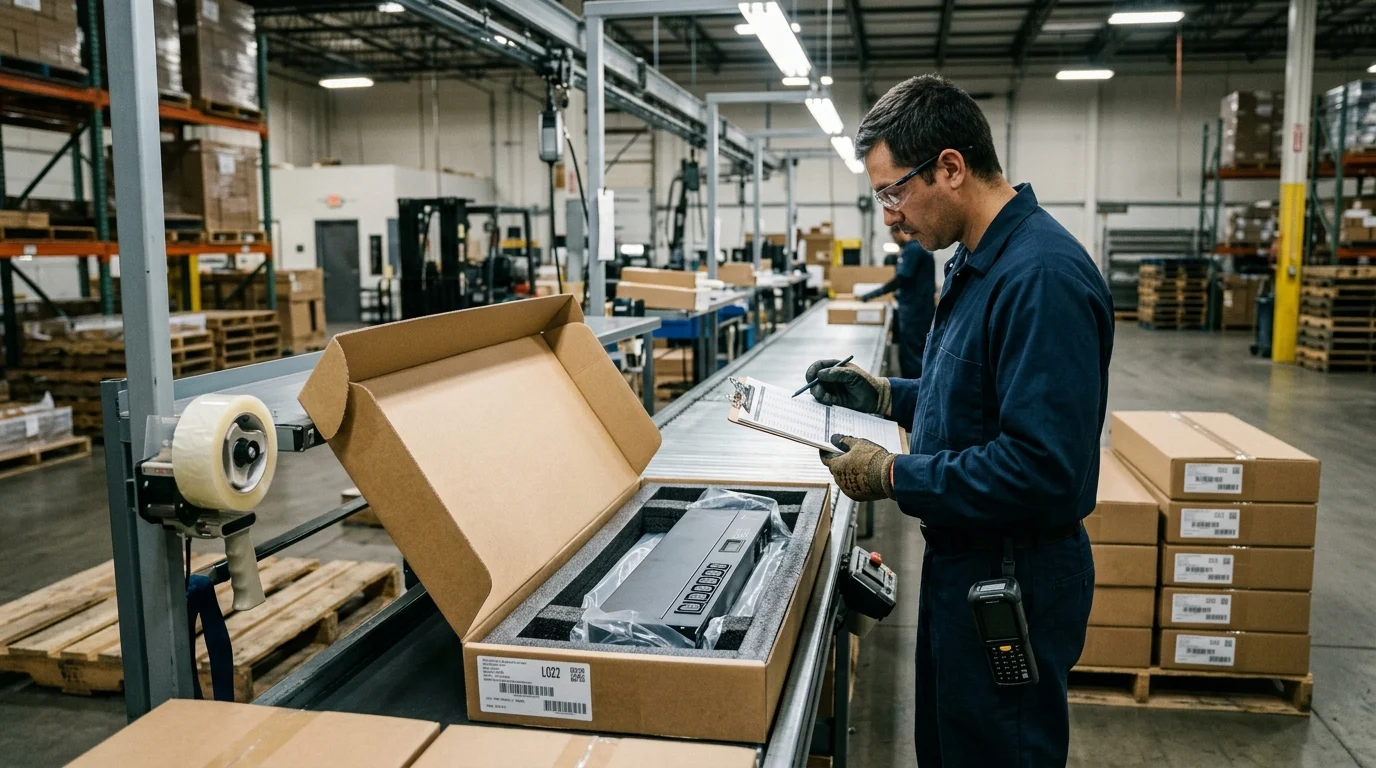
Selecting the right hardware is no longer as simple as matching a plug type to a wall receptacle. Evaluating new Power Distribution units for a facility requires a close look at both physical capabilities and the software ecosystem supporting them.
The goal is to balance upfront capital expenditure with long-term operational resilience. While flashy dashboards can be distracting, core hardware reliability is ultimately what keeps the lights on.
Key technical specifications to compare
Electrical specifications must be prioritized first, particularly phase balancing, operating temperatures, and metering accuracy. For high-density AI racks, units should be rated for at least a 60°C (140°F) operating temperature to withstand increasingly demanding hot aisles. Metering accuracy is equally critical; billing-grade accuracy (±1%) is the current gold standard, especially in colocation environments where power is billed down to the watt.
| Feature Category | Standard Enterprise | High-Density Cloud/AI |
|---|---|---|
| Operating Temp | 45°C – 50°C | 60°C+ |
| Metering Accuracy | ±3% to ±5% | ±1% (Billing Grade) |
| Amperage per Rack | 16A – 32A | 60A – 100A+ |
| Network Controller | Fixed | Hot-Swappable |
The physical footprint is another vital consideration. Low-profile designs are critical to ensure PDUs do not block airflow or interfere with server maintenance at the back of the rack. High-retention outlets or locking power cords are also mandatory specifications to prevent accidental disconnects during routine maintenance.
Vendor support, firmware, and sourcing criteria
Beyond raw specifications, a vendor’s software lifecycle and supply chain reliability carry heavy weight. If a vendor cannot commit to regular firmware patches for security vulnerabilities, it is an immediate dealbreaker in today’s threat landscape. Facilities require a clear Service Level Agreement (SLA) for support, ideally with a Mean Time To Replace (MTTR) of under 24 hours for failed controllers.
Furthermore, Minimum Order Quantities (MOQs) and lead times must be verified. A standard lead time for customized Rack Mount PDUs currently ranges from 6 to 12 weeks, requiring a partner who can reliably hit delivery windows without forcing facilities to warehouse excess inventory. Warranty periods should ideally span a minimum of three to five years. Dual sourcing from vendors who adhere to the same physical and API standards is a highly recommended strategy to protect against global supply chain shocks. If one vendor encounters a component shortage, operators need the flexibility to pivot to an alternative supplier without redesigning the entire rack architecture.
How Operators Should Plan an Intelligent PDU Strategy
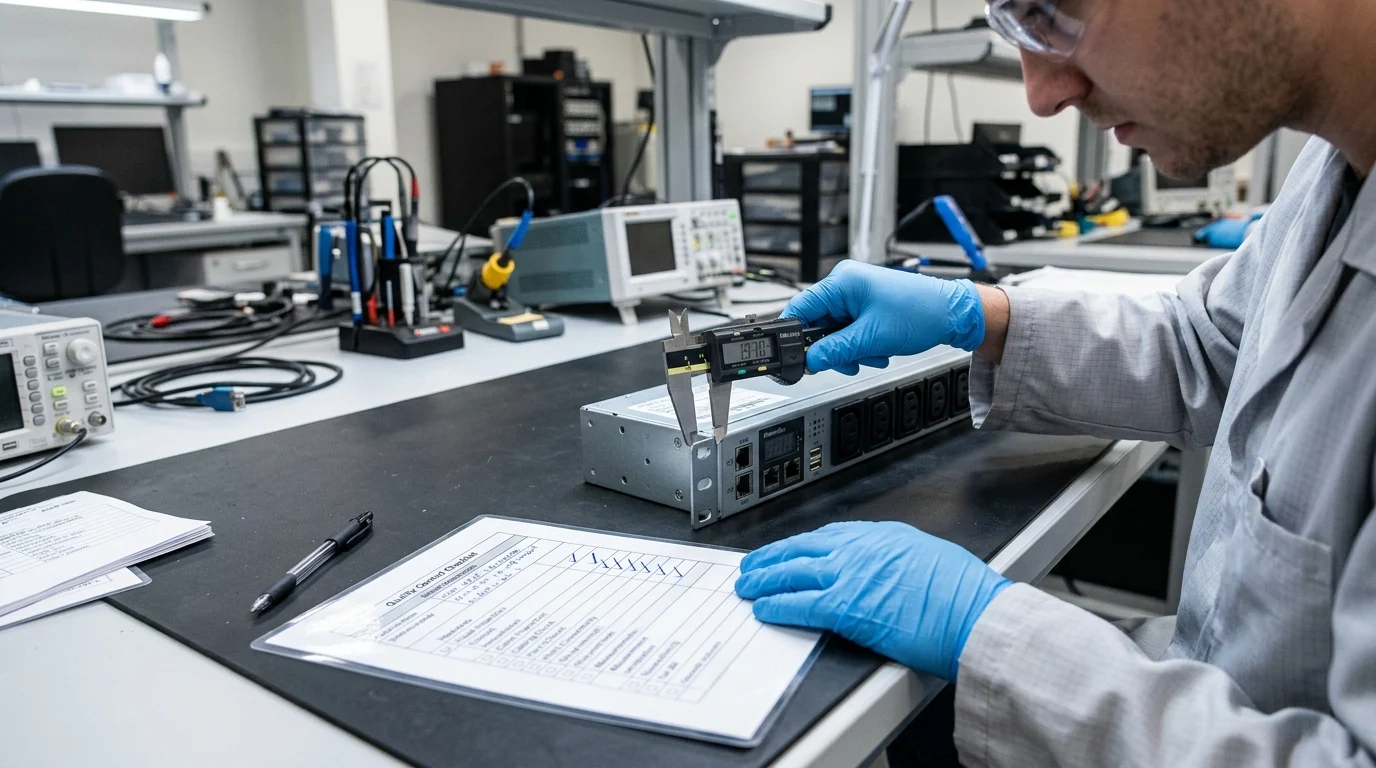
Transitioning an entire facility to a standardized intelligent power architecture takes careful planning. Ripping and replacing hardware blindly often results in a fragmented network that is harder to manage than the legacy system.
A phased approach is essential to mitigate downtime, ensure the management network can handle the influx of data, and verify that operational teams understand how to utilize the new telemetry.
Rollout steps to reduce integration risk
The best approach is to start small. Deploying intelligent units in a single test environment or non-critical zone first allows teams to validate telemetry data, test the management network’s capacity, and refine integration scripts before committing to a facility-wide rollout.
Key Takeaways
- The most important conclusions and rationale for Intelligent PDU
- Specs, compliance, and risk checks worth validating before you commit
- Practical next steps and caveats readers can apply immediately
Frequently Asked Questions
Why is intelligent PDU standardization becoming more important now?
AI and high-density racks need cabinet-level visibility. Open standards like SNMPv3, Redfish, and JSON-RPC help operators integrate PDUs with DCIM tools without custom scripts.
Which intelligent PDU features matter most for high-density cloud or AI racks?
Prioritize outlet-level metering, environmental sensor support, remote switching, ±1% billing-grade accuracy, 60°C operating temperature, and hot-swappable network controllers.
How do open protocols benefit data center operators?
They reduce vendor lock-in and speed deployment. Standard APIs let intelligent PDUs from suppliers like NEWSUNN connect more easily with existing monitoring and management platforms.
What plug and hardware standards should buyers check first?
Confirm support for common connectors such as IEC 60309 or NEMA locking plugs, plus low-profile form factors and high-retention outlets to avoid airflow issues and accidental disconnects.
How can an intelligent PDU help prevent rack outages?
It can spot rising load, heat, or outlet anomalies early. With remote monitoring and switching, teams can isolate a problem device before it trips a breaker or causes overheating.