


Introduction
Tier III reliability depends on more than generators, UPS capacity, and cooling design; it also hinges on how power is delivered inside each rack. A basic PDU plays a quiet but critical role by providing dependable distribution without the added failure points that come with network cards, switching relays, and embedded monitoring electronics. For facilities built around concurrent maintainability and high uptime, that simplicity can improve robustness where it matters most: the final link between protected power and IT equipment. This article explains what a basic PDU is, why its stripped-down design supports Tier III objectives, and how to evaluate its fit within a resilient data center power architecture.
Why a Basic PDU Still Matters for Tier III
When I talk to facility managers and engineers about achieving the coveted 99.982% uptime required for a Tier III data center, the conversation usually jumps straight to massive UPS systems, battery banks, and diesel backup generators. However, the last few feet of power delivery are just as crucial to your overall success.
You might be surprised how often I recommend skipping expensive, highly networked smart gear in favor of a rock-solid Power Distribution Unit that sticks strictly to the basics. In a world obsessed with IoT and granular metrics, simplicity often proves to be the ultimate sophistication when uptime is on the line.
Defining a Basic PDU
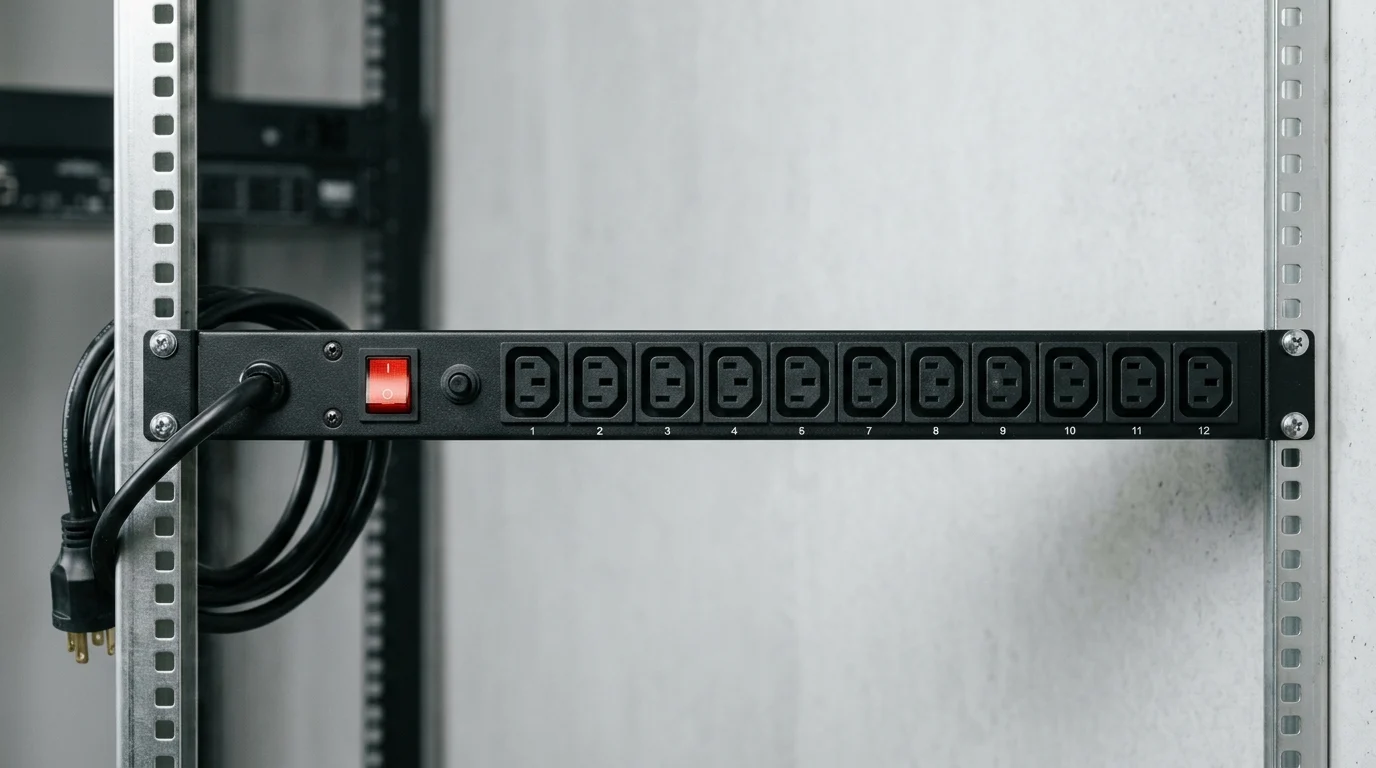
Let’s clarify what a Basic PDU actually is in this context. It is a heavy-duty, commercial-grade power strip designed specifically for server racks and IT enclosures, completely devoid of network interface cards, LCD touchscreens, internal microprocessors, or remote switching relays.
Once plugged into a facility’s power infrastructure, it reliably distributes electricity to the servers. Standard capacities for these units usually range from 15A up to 60A per strip, depending entirely on rack density and upstream breaker sizing. They are pure power delivery mechanisms built with high-quality copper and robust chassis materials.
Role in Uptime and Fault Tolerance
In any Tier III facility, concurrent maintainability is essential. You need an active A and an active B power feed routed to every piece of dual-corded IT equipment. Because basic units lack complex internal electronics and firmware, their Mean Time Between Failures (MTBF) is incredibly high—often exceeding 100,000 hours of continuous operation.
If a network card crashes or a firmware update goes sideways on a smart PDU, it might accidentally drop the critical load. With a basic strip, you rely entirely on physics, breakers, and heavy-duty wiring. This drastically reduces single points of failure and secures your Redundant Power architecture against unnecessary software-induced outages.
Technical and Operational Trade-Offs
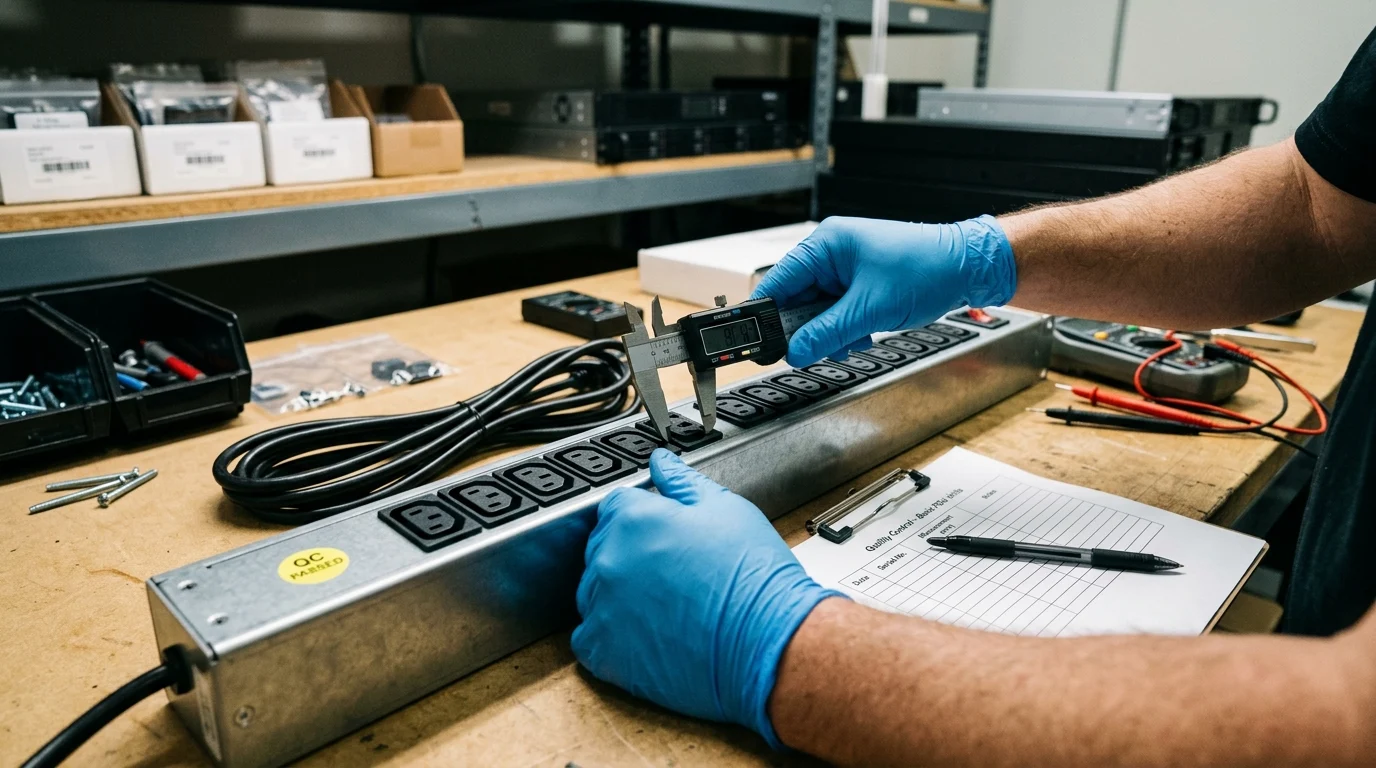
I always weigh the technical and operational trade-offs when designing a new rack layout or retrofitting an old one. While having granular, outlet-level power telemetry is fantastic for automated capacity planning and billing, it inevitably adds a layer of operational complexity and upfront cost that is not always justified.
If you already have intelligent branch circuit monitoring upstream at the main floor PDU or panelboard, adding intelligence to the rack-level strip is often redundant.
Key Basic PDU Specifications for Tier III
When writing technical specifications for a Tier III deployment, physical footprint and environmental tolerances are top priorities. I almost exclusively opt for a vertical 0U PDU because it mounts cleanly in the back of the cabinet and does not consume valuable U-space that could otherwise be used for revenue-generating servers.
I specifically look for units rated for high-density environments, meaning they must support three-phase 208V or 230V inputs. Furthermore, they must operate flawlessly in high-temperature hot aisles. A true data-center-grade basic unit should be rated for an ambient operating temperature of at least 60°C (140°F). If it is only rated for 45°C, you risk thermal tripping when exhaust heat naturally spikes during peak IT loads.
Basic vs Metered PDU Comparison
To put things into clearer perspective, let’s look at a comparative breakdown between basic and metered options. The numbers speak for themselves, especially when purchasing hundreds of these units for a massive new data hall.
| Feature / Metric | Basic PDU | Metered / Smart PDU |
|---|---|---|
| Average Cost (30A Unit) | $100 – $250 | $400 – $800+ |
| Estimated MTBF | > 100,000 hours | ~ 50,000 hours |
| Max Operating Temp | 60°C to 65°C | 45°C to 60°C |
| Firmware Maintenance | None required | Mandatory & Ongoing |
| Primary Failure Modes | Mechanical only | Mechanical + Electronic |
The dramatically lower upfront cost and zero firmware maintenance make the basic route incredibly appealing when baseline reliability is the primary goal.
How to Choose the Right Basic PDU

How do we actually go about picking the right hardware for the job? It is not just about grabbing the cheapest metal power strip off the shelf and hoping for the best.
You must meticulously match the power distribution hardware to your specific IT load, server plug types, and your facility’s overarching Critical Power infrastructure.
Steps to Match a PDU to Tier III Needs
The first step on any project is calculating the continuous power draw. The National Electrical Code (NEC) dictates that continuous loads should not exceed 80% of the circuit’s maximum rating. Therefore, if feeding a rack with a standard 30A circuit, the basic PDU and the connected gear must draw no more than 24A combined.
Next, map out the receptacle mix. Most modern servers and switches require standard C13 or higher-capacity C19 outlets. It is highly recommended to buy PDUs that feature a flexible mix of both—perhaps 24 x C13s and 6 x C19s—to future-proof the rack against changing hardware generations.
Finally, color-coding is non-negotiable. Using bright red strips for the A feed and bright blue strips for the B feed provides a visual cue that prevents human error when technicians move cables during routine maintenance.
Final Decision Criteria
When it is time to finalize a purchase order, the final decision criteria often come down to physical security features and supply chain logistics. Look rigorously for locking receptacles. A solid locking C13 outlet should provide a retention force of at least 100 Newtons, ensuring that server vibration or accidental bumps from a technician will not unplug a critical machine.
I also verify the manufacturer’s Minimum Order Quantity (MOQ) and lead times to ensure they align with the project schedule.
Key Takeaways
- The most important conclusions and rationale for Basic PDU
- Specs, compliance, and risk checks worth validating before you commit
- Practical next steps and caveats readers can apply immediately
Frequently Asked Questions
Why use a basic PDU in a Tier III data center?
A basic PDU reduces electronic failure points by eliminating firmware, network cards, and remote switching. That simplicity supports higher uptime in dual-feed Tier III rack designs.
What PDU form factor is best for Tier III racks?
A vertical 0U basic PDU is usually best. It mounts at the rack side or rear, saves valuable U-space, and fits dense server cabinets cleanly.
What specifications should I check before buying a basic PDU?
Confirm input voltage, amperage, outlet mix, plug type, phase, cord length, and operating temperature. For hot aisles, target at least a 60°C ambient rating.
When is a basic PDU better than a metered or smart PDU?
Choose basic when uptime, lower cost, and minimal maintenance matter most, especially if branch circuit monitoring already exists upstream in your facility.
Can Newsunn supply custom basic PDUs for data center racks?
Yes. Newsunn offers rack PDU options and can help match outlet configuration, input type, and mounting style to your cabinet and power design.