
Cómo el diseño avanzado de MPU reduce los costos de energía en dispositivos IoT remotos
Por qué el diseño avanzado de MPU es importante para los costos de energía remota de IoT
Si alguna vez ha gestionado una implementación remota de IoT a gran escala, ya sabe que el costo inicial del hardware es solo la punta del iceberg. A menudo hablo con equipos de adquisiciones que se concentran intensamente en reducir la lista de materiales (BOM), solo para ver cómo sus gastos operativos se disparan un año después. El culpable casi siempre es el consumo de energía. Cuando los dispositivos se implementan en lugares de difícil acceso, como campos agrícolas, plataformas marinas o infraestructuras de ciudades inteligentes, la arquitectura energética de su unidad de microprocesador (MPU) dicta la viabilidad financiera de todo el proyecto.
Un diseño de MPU avanzado cambia fundamentalmente la economía de estas implementaciones. A diferencia de los procesadores más antiguos, que consumen mucha energía y funcionan a toda velocidad independientemente de la tarea, las MPU modernas están diseñadas con capacidades sofisticadas de administración de energía. Pueden reducir la velocidad, apagar los núcleos no utilizados y reactivarse en fracciones de segundo. Esto significa que el dispositivo consume una corriente mínima de la batería y al mismo tiempo proporciona el músculo de procesamiento necesario para la computación de vanguardia cuando ocurre un evento.
Comprender este cambio es crucial para los compradores B2B. Ya no sólo compramos un chip de silicio; Estamos comprando un perfil de potencia específico. Elegir lo correcto MPU energéticamente eficiente requiere una inmersión profunda en cómo se comportará la arquitectura de ese componente en el campo, cómo afecta su selección de batería y, en última instancia, cómo impacta sus resultados en un ciclo de vida de cinco o diez años.
Cómo la eficiencia energética de la MPU cambia el costo operativo total
El costo total de propiedad (TCO) en IoT remoto influye en gran medida en los gastos operativos (OPEX). Cuando una MPU es altamente eficiente, puede diseñar el dispositivo con una batería más pequeña y menos costosa o, alternativamente, usar una batería estándar que dure el doble. Esta eficiencia se extiende a todo el presupuesto operativo, reduciendo la frecuencia de los ciclos de mantenimiento, reduciendo el costo de las piezas de repuesto y minimizando el tiempo de inactividad para el usuario final.
Impacto en los ciclos de reemplazo de baterías y recorridos de camiones
En el mundo de los servicios gestionados y la infraestructura de IoT, un “recorrido de camión” (enviar un técnico a un sitio remoto para reemplazar una batería) puede costar entre $150 y $500 por visita. Si su implementación consta de 10.000 sensores, una MPU mal optimizada que agote las baterías en dos años en lugar de cinco generará millones de dólares en costos de mantenimiento prematuros. Las MPU avanzadas amplían estos ciclos de reemplazo para alinearse con el ciclo de vida natural del propio dispositivo, eliminando efectivamente envíos de servicios innecesarios.
Dónde los equipos de adquisiciones ven ganancias de margen
Los equipos de adquisiciones que priorizan el diseño energético avanzado ven ganancias de margen en dos áreas distintas. En primer lugar, en lo que respecta al CAPEX, un procesador altamente eficiente a menudo permite un panel solar más pequeño, un IC de administración de energía (PMIC) más económico y una batería de menor capacidad, lo que reduce la lista de materiales general. En segundo lugar, en lo que respecta al OPEX, la vida útil extendida permite a las empresas ofrecer contratos de servicio plurianuales más competitivos, aumentando los márgenes brutos al reducir drásticamente la garantía y las reservas de servicio de campo que deben mantener.
Qué significa el diseño avanzado de MPU para dispositivos IoT remotos
Cuando hablo de diseño “avanzado” con los equipos de ingeniería y abastecimiento, no me refiero solo a la velocidad bruta del reloj o a los nodos semiconductores más pequeños, aunque estos desempeñan un papel. El diseño avanzado en el contexto del IoT remoto se refiere a la capacidad del silicio para gestionar sin piedad su propio consumo de energía. Se trata de inteligencia a nivel de hardware: darle al procesador la capacidad de segmentar sus operaciones para que solo consuma energía exactamente cuando y donde se necesita.
Este nivel de control se logra mediante innovaciones arquitectónicas que tratan el poder como un recurso finito y precioso. Los diseñadores implementan matrices complejas de dominios de energía, lo que permite que el chip corte físicamente la energía a bloques específicos de silicio (como un controlador USB o un motor criptográfico) cuando no están procesando datos activamente. Para los compradores B2B, comprender estos conceptos es vital porque explica por qué dos MPU con exactamente la misma velocidad de reloj pueden tener impactos en la batería drásticamente diferentes en el mundo real.
Además, evaluar una MPU basada en ARM a menudo revela una estrategia de múltiples núcleos en la que un núcleo de alto rendimiento maneja cargas de trabajo pesadas de Linux, mientras que un núcleo Cortex-M de bajo consumo maneja un sondeo de sensores simple. Esta arquitectura heterogénea es el sello distintivo del diseño de MPU moderno y avanzado y es el principal impulsor de la reducción de costos en implementaciones remotas.
Elementos clave de diseño: arquitectura, dominios de energía, estados de sueño y relojes.
La base de una MPU de bajo consumo radica en sus dominios de potencia y estados de suspensión. Los chips avanzados se dividen en zonas aisladas; si la interfaz de red está inactiva, ese dominio específico se apaga sin afectar el procesador central. Además, los estados de suspensión granulares (por ejemplo, modos de espera, suspensión profunda y parada) permiten que la MPU reduzca su consumo de corriente de miliamperios a microamperios, mientras que la sincronización de reloj sofisticada garantiza que no se desperdicie energía alternando transistores que no están actualmente en uso.
En qué se diferencian las MPU avanzadas de los controladores básicos de bajo costo
Los microcontroladores básicos (MCU) son inherentemente de bajo consumo, pero carecen de la potencia de procesamiento, las unidades de administración de memoria (MMU) y el soporte del sistema operativo (como Linux integrado) necesarios para análisis de borde complejos o enrutamiento de red seguro. Las MPU avanzadas cierran esta brecha. Proporcionan el pesado trabajo computacional de un microprocesador tradicional, pero toman prestadas las agresivas técnicas de ahorro de energía de una MCU, lo que permite a los dispositivos remotos realizar IA compleja o filtrado de datos en el borde sin requerir una conexión continua a la red.
Especificaciones que más afectan los costos de energía
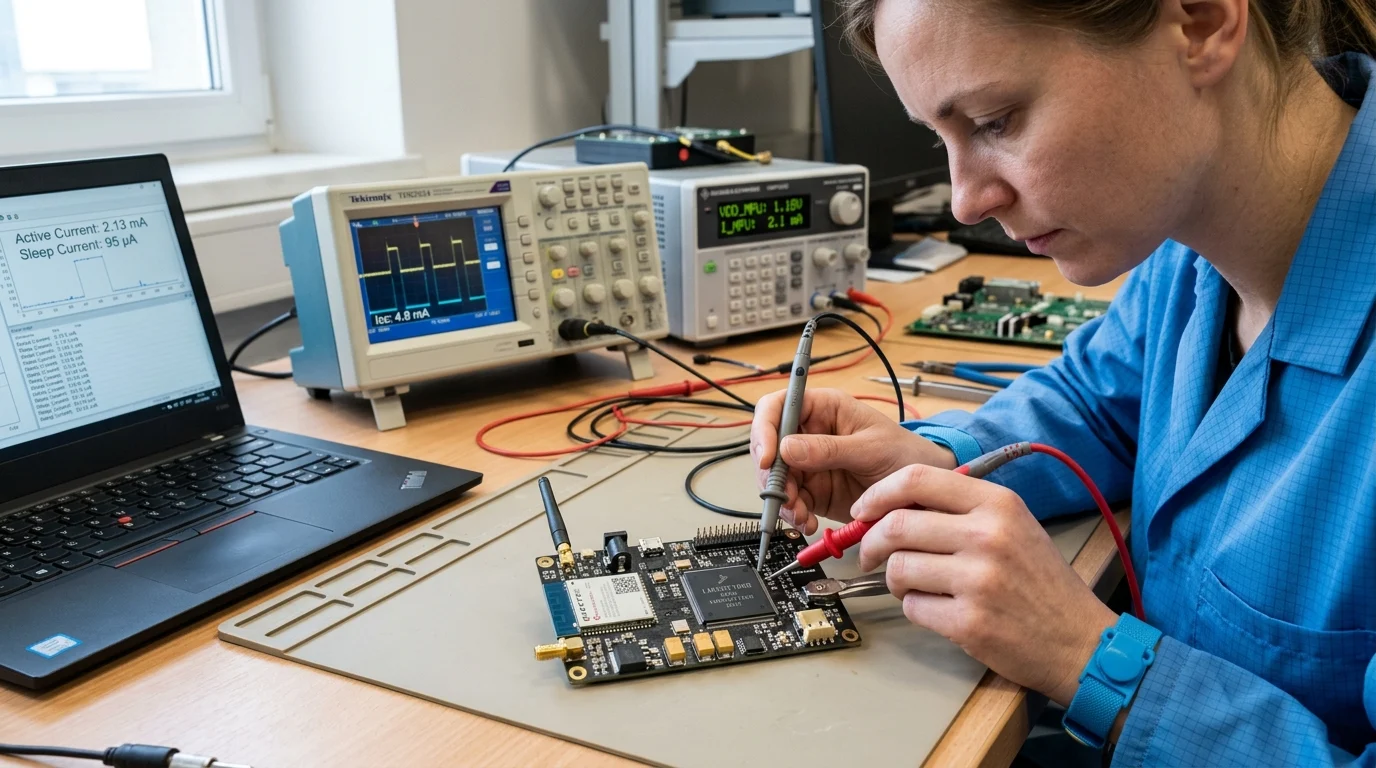
Al revisar las hojas de datos, las especificaciones que más afectan su billetera son la corriente de fuga (la energía consumida simplemente por el chip que se conecta a una batería), el tiempo de activación (la rapidez con la que el chip pasa del modo de suspensión profunda al modo activo) y la potencia activa por megahercios (μA/MHz). Un chip que tarda demasiado en activarse desperdicia energía preciosa en el momento del arranque, lo que destruye el presupuesto de energía en aplicaciones que requieren ráfagas breves y frecuentes de actividad.
Especificaciones de MPU que reducen el consumo de energía
Traducir las especificaciones técnicas en estrategias de adquisiciones es donde ocurre la magia. Siempre aconsejo a los compradores que dejen de mirar la especificación de “potencia activa máxima” de forma aislada. En IoT remoto, un dispositivo puede pasar el 99% de su vida dormido y solo el 1% activo. Por lo tanto, la forma en que una MPU maneja sus estados inactivos y transiciones es mucho más crítica para el presupuesto de batería que su consumo máximo de energía.
Para pronosticar los costos con precisión, debe comparar las especificaciones de la MPU con el ciclo de trabajo específico de su dispositivo. Una estrategia de adquisición inteligente implica solicitar al equipo de ingeniería un modelo de perfil de energía. Una vez que lo tenga, podrá evaluar diferentes plataformas MPU en función de cómo sus características de hardware, como el escalado dinámico de voltaje y los aceleradores de hardware, se alinean con su caso de uso específico.
Esta alineación evita un error común en el abastecimiento: pagar una prima por una MPU de consumo ultrabajo que carece de los aceleradores de hardware necesarios para su carga de trabajo específica, lo que obliga al núcleo principal a permanecer despierto por más tiempo para procesar datos, lo que, irónicamente, resulta en un mayor consumo general de energía. Necesitas el derecho MPU de bajo consumo que equilibra la eficiencia del sueño con la velocidad de procesamiento.
Evaluación de perfiles de potencia bajo ciclos de trabajo reales
Un ciclo de trabajo representa la relación entre el tiempo activo y el tiempo de sueño. Si su sensor remoto se despierta una vez cada hora, transmite un pequeño paquete de datos y vuelve a dormir, la corriente de sueño profundo es su especificación más crítica. Por el contrario, si el dispositivo se activa para realizar una inferencia compleja de aprendizaje automático de 30 segundos antes de transmitir, la eficiencia del procesamiento activo (rendimiento por vatio) se convierte en el factor dominante en su perfil de energía.
Funciones de hardware que importan: DVFS, modos de bajo consumo y aceleradores
El escalado dinámico de voltaje y frecuencia (DVFS) permite que la MPU ajuste su propio voltaje y velocidad de reloj sobre la marcha en función de la carga de trabajo, ahorrando enormes cantidades de energía. Además, los aceleradores de hardware (como los motores criptográficos dedicados o DSP) procesan tareas específicas mucho más rápido y con menos energía que el núcleo principal de la CPU. Aprovechar estas funciones minimiza el tiempo que el dispositivo pasa en su estado activo de alta potencia.
Comparación de potencia activa, potencia en suspensión, impacto de la batería y compensaciones de la lista de materiales
Para ilustrar las compensaciones, considere esta comparación entre una arquitectura MPU estándar y una avanzada.:
| Característica/Métrica | MPU estándar | MPU avanzada de bajo consumo | Impacto en la lista de materiales |
|---|---|---|---|
| Corriente de sueño profundo | 5,0 mA | 0,5 mA | Permite el uso de celdas de batería más pequeñas y económicas. |
| Hora de despertarse | 50 ms | 5 ms | Reduce el desperdicio de energía durante los estados de transición. |
| Requisito PMIC | Complejo, multirraíl | Integrado o simplificado | Reduce el número de componentes y la complejidad de la PCB. |
| Est. Duración de la batería (10 Ah) | 1,5 años | 4,5 años | Reduce drásticamente el OPEX de mantenimiento en campo. |
Cómo la optimización del firmware mejora la eficiencia energética
Las características del hardware son tan buenas como el software que las controla. Con frecuencia les recuerdo a los compradores que tengan en cuenta los costos de desarrollo de software. Si un proveedor de MPU proporciona un kit de desarrollo de software (SDK) maduro con bibliotecas de administración de energía preoptimizadas, su equipo de ingeniería puede implementar fácilmente modos de suspensión profunda y DVFS. Un firmware deficiente puede mantener activa una MPU muy avanzada innecesariamente, anulando por completo los beneficios de ahorro de energía del hardware.
Consideraciones de abastecimiento, MOQ y costo total de entrega
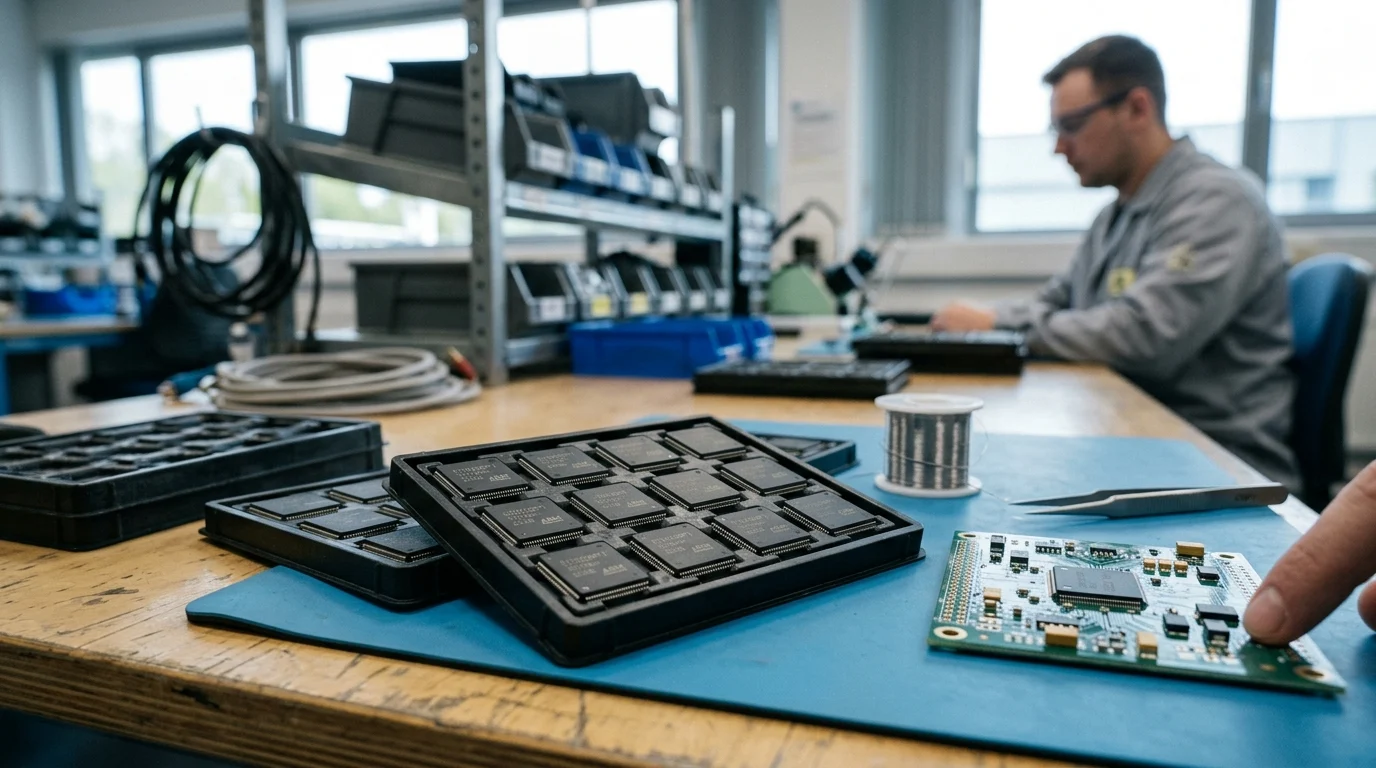
Encontrar la MPU de bajo consumo perfecta en una hoja de datos es sólo la mitad de la batalla; adquirirlo de manera eficiente es la otra. En mi experiencia, los compradores B2B deben mirar mucho más allá del precio unitario para comprender el costo total de descarga. Esto implica navegar por las cantidades mínimas de pedido (MOQ), negociar los plazos de entrega y tener en cuenta la logística de cómo se empaquetan y envían los chips.
Además, el mercado de semiconductores es notoriamente volátil. No estás comprando simplemente un lote de chips para hoy; se va a casar con un proveedor para el ciclo de vida de su producto IoT. Si la MPU que selecciona llega al final de su vida útil (EOL) en dos años, los costos de ingeniería para rediseñar la placa y reescribir el firmware anularán cualquier ahorro que haya logrado durante la fase de abastecimiento inicial.
Por lo tanto, una estrategia de abastecimiento sólida requiere un compromiso profundo con el fabricante o distribuidor franquiciado. Debe asegurar compromisos sobre la longevidad del ciclo de vida, comprender la resiliencia de su cadena de suministro y trazar niveles de precios que se alineen con el crecimiento previsto de su producto.
Evaluación de la estabilidad del proveedor y el soporte del ciclo de vida.
Los dispositivos remotos de IoT suelen tener ciclos de vida de implementación de 5 a 10 años. Antes de aprobar una MPU, la adquisición debe verificar la garantía de longevidad del fabricante para esa familia de silicio específica. Siempre solicito un certificado formal del Programa de longevidad del producto (PLP), que garantice que el proveedor se comprometa a fabricar el chip durante al menos 10 años desde su fecha de lanzamiento, protegiendo así nuestras inversiones en NRE (Ingeniería no recurrente).
Preguntas sobre MOQ, plazos de entrega, embalaje y trazabilidad
Al negociar, aclare el MOQ y los formatos de embalaje (por ejemplo, cinta y carrete versus bandeja), ya que esto afecta las líneas de ensamblaje automatizadas de su fabricante contratado. Además, pregunte sobre los plazos de entrega estándar y los períodos de cancelación. En implementaciones de infraestructura crítica, la trazabilidad del lote completo no es negociable; asegúrese de que el proveedor proporcione documentación detallada para que pueda rastrear cualquier falla de campo hasta un lote de silicio específico.
Cómo la integración puede reducir la lista de materiales y la complejidad del ensamblaje
Algunas MPU avanzadas integran componentes externos, como memoria (SIP – System in Package) o unidades de administración de energía, directamente en el chip. Si bien el precio unitario de una MPU integrada puede ser mayor, elimina varios componentes discretos de su lista de materiales, reduce el tamaño físico de la PCB y simplifica el proceso de ensamblaje SMT (tecnología de montaje en superficie), lo que a menudo resulta en un costo total de entrega menor.
Rebajas de precios, previsión y planificación de márgenes de canal
Para optimizar los márgenes del canal, cree un modelo de adquisiciones que aproveche las rebajas de precios por volumen. Trabaje con sus distribuidores para configurar pedidos generales programados basados en un pronóstico de 12 meses consecutivos. Esto garantiza su suministro en un mercado limitado y al mismo tiempo le permite fijar precios de alto volumen, lo que mejora los márgenes brutos para sus socios de canal descendente y proveedores de servicios administrados.
Factores de cumplimiento, confiabilidad y implementación
No se puede implementar un dispositivo IoT remoto si no cumple con las certificaciones regulatorias regionales o muere en condiciones ambientales adversas. Los equipos de adquisiciones deben tratar el cumplimiento y la confiabilidad como filtros de abastecimiento primarios, no como algo secundario. Si selecciona una MPU que genera interferencias electromagnéticas (EMI) excesivas o falla a temperaturas extremas, todo el lanzamiento de su producto se retrasará debido a costosos giros y recertificaciones de la placa.
Siempre cruzo las especificaciones ambientales de la MPU con las realidades físicas del sitio de implementación. Los dispositivos remotos de IoT están expuestos habitualmente a inviernos gélidos, veranos abrasadores y alta humedad. El silicio debe estar clasificado para rangos de temperatura industriales y el fabricante debe proporcionar datos de confiabilidad sólidos, incluido el tiempo medio entre fallas (MTBF) y métricas de resistencia térmica.
Además, a medida que estos dispositivos se conectan a redes más amplias, su capacidad para interactuar de manera confiable con la infraestructura existente, como terminales de fibra óptica y accesorios de red, es fundamental para una transmisión de datos fluida. Elegir un robusto Microprocesador de IoT garantiza que su dispositivo perimetral pueda mantener enlaces de comunicación estables y de alta velocidad sin perder paquetes ni requerir reinicios constantes.
Certificaciones relevantes: RoHS, REACH, CE, FCC y UL
Su MPU debe cumplir estrictamente con regulaciones de materiales como RoHS y REACH para poder importarse legalmente a regiones como la Unión Europea. Además, el diseño del chip influye en gran medida en la capacidad del dispositivo para aprobar las certificaciones de seguridad CE, FCC (para emisiones electromagnéticas) y UL. Adquirir componentes de fabricantes acreditados garantiza que tendrá las declaraciones de cumplimiento necesarias para satisfacer a los organismos reguladores y aduaneros.
Comportamiento térmico, rendimiento EMC y confiabilidad a largo plazo
Las MPU avanzadas suelen funcionar a menor temperatura porque consumen menos energía, lo que mejora la confiabilidad a largo plazo. Sin embargo, aún debe verificar la clasificación de temperatura industrial (comúnmente -40 °C a +85 °C o más). Además, revise las pautas de compatibilidad electromagnética (EMC) del fabricante; Una MPU bien diseñada tendrá características que minimicen el ruido, lo que hará que sea más fácil y económico pasar las pruebas de emisiones a nivel del sistema.
Por qué es importante el diseño seguro de MPU para los dispositivos periféricos conectados
En implementaciones remotas, la seguridad física es imposible. Por lo tanto, la MPU debe proporcionar una raíz de confianza de hardware. Busque funciones como arranque seguro, aceleradores criptográficos y pines de detección de manipulaciones. Si un dispositivo remoto se ve comprometido, se puede utilizar como puerta trasera a la red empresarial. El departamento de adquisiciones debe considerar estas características de seguridad como herramientas obligatorias de mitigación de riesgos, no como actualizaciones opcionales.
Interoperabilidad con infraestructura de red y accesorios.
Los dispositivos remotos de IoT no funcionan en el vacío; agregan datos y los envían a través de topologías de red complejas. La MPU debe admitir de manera confiable los protocolos de comunicación necesarios (como Ethernet, CAN o módems celulares) para interactuar sin problemas con la infraestructura descendente, incluidos conmutadores de red de fibra óptica y accesorios de conectividad, lo que garantiza transferencias de datos rápidas, precisas y sin mantenimiento.
Cómo deberían comparar los equipos de adquisiciones las plataformas MPU
Realizar un evento de abastecimiento para una MPU avanzada requiere un enfoque estructurado y multidisciplinario. No se puede simplemente sacar cinco hojas de datos, mirar el precio y emitir una orden de compra. Recomiendo crear una matriz de decisión ponderada que incorpore aportes de los equipos de ingeniería de hardware, desarrollo de software y servicio de campo.
El objetivo es evaluar la plataforma en su conjunto. A veces, una MPU un poco más cara viene con un increíble ecosistema de software que reduce el tiempo de desarrollo a la mitad, ahorrando cientos de miles de dólares en nómina de ingeniería. El papel de Adquisiciones es facilitar esta evaluación holística, garantizando que todos los costos ocultos (desde las herramientas de desarrollo hasta el mantenimiento de campo) se tengan en cuenta en la comparación.
Para hacer esto de manera efectiva, hay que obligar a los proveedores a probar sus afirmaciones. No confíe únicamente en las cifras de marketing de la primera página de la hoja de datos. Pídales que proporcionen datos de consumo de energía según su caso de uso específico y exija acceso a sus ingenieros de soporte durante la fase de evaluación para evaluar qué tan receptivos serán cuando su equipo tenga problemas.
Defina la carga de trabajo, el presupuesto de energía, el modelo de batería y las condiciones de campo.
Comience por documentar explícitamente sus requisitos. Defina la carga de trabajo computacional exacta, el presupuesto de energía máximo estricto, el tamaño físico y la química de la batería que pretende utilizar y los extremos ambientales que enfrentará el dispositivo. Utilice este documento como estándar de referencia; Cualquier MPU que no pueda cumplir con estos criterios en condiciones simuladas debe ser descalificada inmediatamente.
Compare el soporte del proveedor, la madurez del SDK y la portabilidad del firmware
Una MPU es inútil sin un buen software. Evalúe la madurez del kit de desarrollo de software (SDK) del proveedor y la disponibilidad de soporte de la comunidad de código abierto (como la integración de Yocto Linux o Zephyr RTOS). Los SDK de alta calidad y bien documentados reducen el tiempo de comercialización. Además, evalúe la portabilidad del firmware; elegir una arquitectura que le permita portar el código fácilmente lo protege si necesita cambiar de proveedor en el futuro.
Utilice pedidos de muestra, ejecuciones de calificación e implementaciones piloto
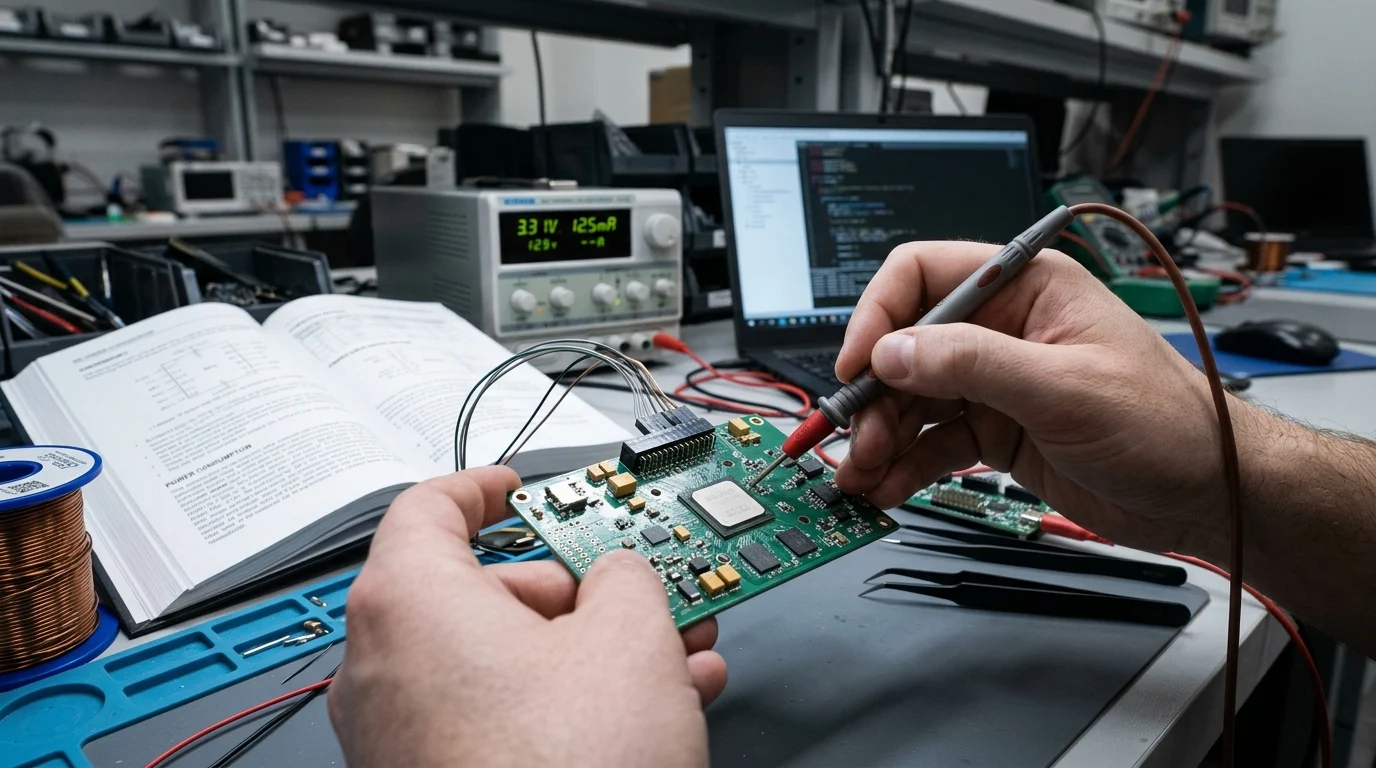
Nunca se comprometa con la producción en masa sin pruebas rigurosas en el mundo real. Negociar muestras de ingeniería y juntas de evaluación en las primeras etapas del proceso. Ejecute una pequeña implementación piloto (por ejemplo, de 50 a 100 unidades) para monitorear el consumo real de la batería y el rendimiento térmico en el campo. Esta carrera de calificación es su última línea de defensa contra errores de hardware imprevistos o picos de energía antes de escalar.
Preguntas comunes sobre el abastecimiento de MPU por parte de compradores B2B
En mi trabajo de consultoría con cadenas de suministro B2B, los gerentes de adquisiciones plantean repetidamente el mismo conjunto de preguntas al realizar la transición a arquitecturas MPU avanzadas. El tema subyacente es siempre la gestión de riesgos: ¿cómo equilibramos los costos iniciales de la nueva tecnología con los ahorros prometidos a largo plazo?
Responder a estas preguntas requiere una comprensión sólida tanto del mercado de semiconductores como de la mecánica específica de las implementaciones de IoT. Los compradores están bajo una inmensa presión para reducir la lista de materiales, pero se les debe educar sobre por qué apretar demasiado el presupuesto de hardware puede conducir a fallas operativas catastróficas en el futuro.
Estas son las preguntas más frecuentes que respondo, junto con las respuestas estratégicas que ayudan a los equipos de adquisiciones a justificar sus decisiones de abastecimiento ante la junta ejecutiva.
¿Cuánto puede reducir el diseño avanzado de MPU los costos de energía?
Dependiendo de la base, los ahorros pueden ser enormes. Al utilizar modos de suspensión profunda y DVFS, una MPU avanzada puede reducir el consumo de energía promedio de un dispositivo entre un 50% y un 80% en comparación con un procesador más antiguo y siempre encendido. En términos de OPEX, esto puede extender la vida útil de la batería de 18 meses a más de 5 años, eliminando por completo dos o tres costosos ciclos de reemplazo de servicio de campo por dispositivo.
¿Deberían los compradores priorizar el precio unitario o el costo del ciclo de vida?
Priorice siempre el costo del ciclo de vida (coste total de propiedad). Ahorrar 2 dólares en el precio unitario de una MPU es una compensación terrible si requiere una batería de 10 dólares más grande o provoca una caída de camiones de 200 dólares dos años antes. Los compradores B2B deben crear modelos de costos que calculen el gasto total del dispositivo (incluyendo la lista de materiales, el desarrollo, el cumplimiento y el mantenimiento de campo) durante toda su vida útil implementada.
¿Qué términos de MOQ, embalaje y logística se deben negociar?
Negocie MOQ que se alineen con su aumento realista de la producción, solicitando cronogramas de entrega escalonados para administrar el flujo de caja. Asegúrese de que el embalaje (cinta y carrete) coincida con los requisitos de su ensamblador para evitar cargos por reembalaje. Lo más importante es negociar términos estrictos con respecto a las garantías de plazos de entrega y los acuerdos de existencias de reserva (por ejemplo, inventario administrado por el proveedor) para proteger sus líneas de producción de una escasez repentina de semiconductores.
¿Cómo deberían los compradores calificar a un proveedor de MPU?
Calificar a los proveedores auditando su estabilidad financiera, capacidad de fabricación y redundancias en la cadena de suministro (por ejemplo, ¿utilizan varias fundiciones?). Revise sus programas de longevidad de productos para garantizar un soporte a largo plazo. Además, evaluar su infraestructura de soporte técnico; un proveedor debe tener ingenieros de aplicaciones de campo (FAE) accesibles en su región para ayudar a su equipo de diseño cuando surjan problemas de integración.
Conclusiones clave para elegir una MPU de bajo consumo
Elegir el silicio adecuado es una decisión estratégica que repercute en todo su modelo de negocio. La transición a arquitecturas avanzadas y de bajo consumo no es sólo una actualización de ingeniería; es una estrategia de adquisiciones que impacta directamente la viabilidad del producto, los márgenes de servicio y la satisfacción del cliente.
Al dar un paso atrás y observar todo el ecosistema, desde la celda de la batería hasta la red en la nube, se pueden tomar decisiones de abastecimiento que creen ventajas competitivas genuinas. Recuerda que el objetivo no es comprar el chip más barato, sino comprar el más eficiente MPU que funciona con baterías que se adapta perfectamente a sus realidades de implementación.
Tenga en cuenta estos principios finales al estructurar su próximo evento de abastecimiento y estará bien posicionado para entregar hardware financieramente sólido y técnicamente sólido.
Haga coincidir la arquitectura MPU con el ciclo de trabajo, el entorno y el modelo de servicio
Asegúrese de que las fortalezas del silicio se alineen directamente con la forma en que se utilizará el dispositivo. Haga coincidir la eficiencia del sueño profundo con los dispositivos que rara vez se activan y combine la eficiencia del procesamiento con los dispositivos que manejan análisis de vanguardia intensivos. Tenga siempre en cuenta la dureza del entorno de implementación y las realidades de sus contratos de mantenimiento de campo.
Priorizar el costo total de propiedad sobre el precio de compra más bajo
Aleje la conversación sobre adquisiciones de los costos de componentes aislados. Cree modelos integrales de TCO que demuestren a las partes interesadas cómo invertir un poco más en una MPU avanzada y energéticamente eficiente reduce significativamente los costos de la batería, reduce la huella de PCB y reduce drásticamente los gastos operativos y de mantenimiento a largo plazo.
Cree programas de abastecimiento escalables para implementaciones remotas de IoT
Cree cadenas de suministro resilientes asociándose con proveedores estables que ofrezcan ciclos de vida garantizados y soporte técnico sólido. Implemente previsiones continuas, negocie condiciones favorables de logística y embalaje y valide siempre el rendimiento mediante implementaciones piloto antes de comprometerse con la producción en masa. La escalabilidad requiere previsibilidad tanto en los precios como en el rendimiento.
Lectura relacionada: MPU de bajo consumo
Conclusiones clave
- Implicaciones del abastecimiento mayorista y de la cadena de suministro para MPU
- Especificaciones, cumplimiento y términos comerciales que los compradores deben validar
- Recomendaciones prácticas para distribuidores y equipos de adquisiciones