


Selecting the best fiber optic cabling solutions for harsh industrial environments requires a strategic focus on durability, chemical resistance, and mechanical protection to ensure zero-downtime connectivity in extreme conditions. This comprehensive guide evaluates specialized components, including ruggedized outdoor cables, industrial media converters, and high-performance transceivers, to help engineers build resilient network infrastructures.
Understanding the Challenges of Industrial Fiber Connectivity
Industrial environments present unique physical stressors that standard data center equipment cannot withstand. Factors such as extreme temperature fluctuations, electromagnetic interference (EMI), high humidity, and mechanical vibration can degrade signal integrity or cause permanent cable failure. For instance, according to the Telecommunications Industry Association (TIA-1005-A standard), industrial premises require specific “MICE” classifications (Mechanical, Ingress, Climatic, Electromagnetic) to determine the appropriate level of component hardening.
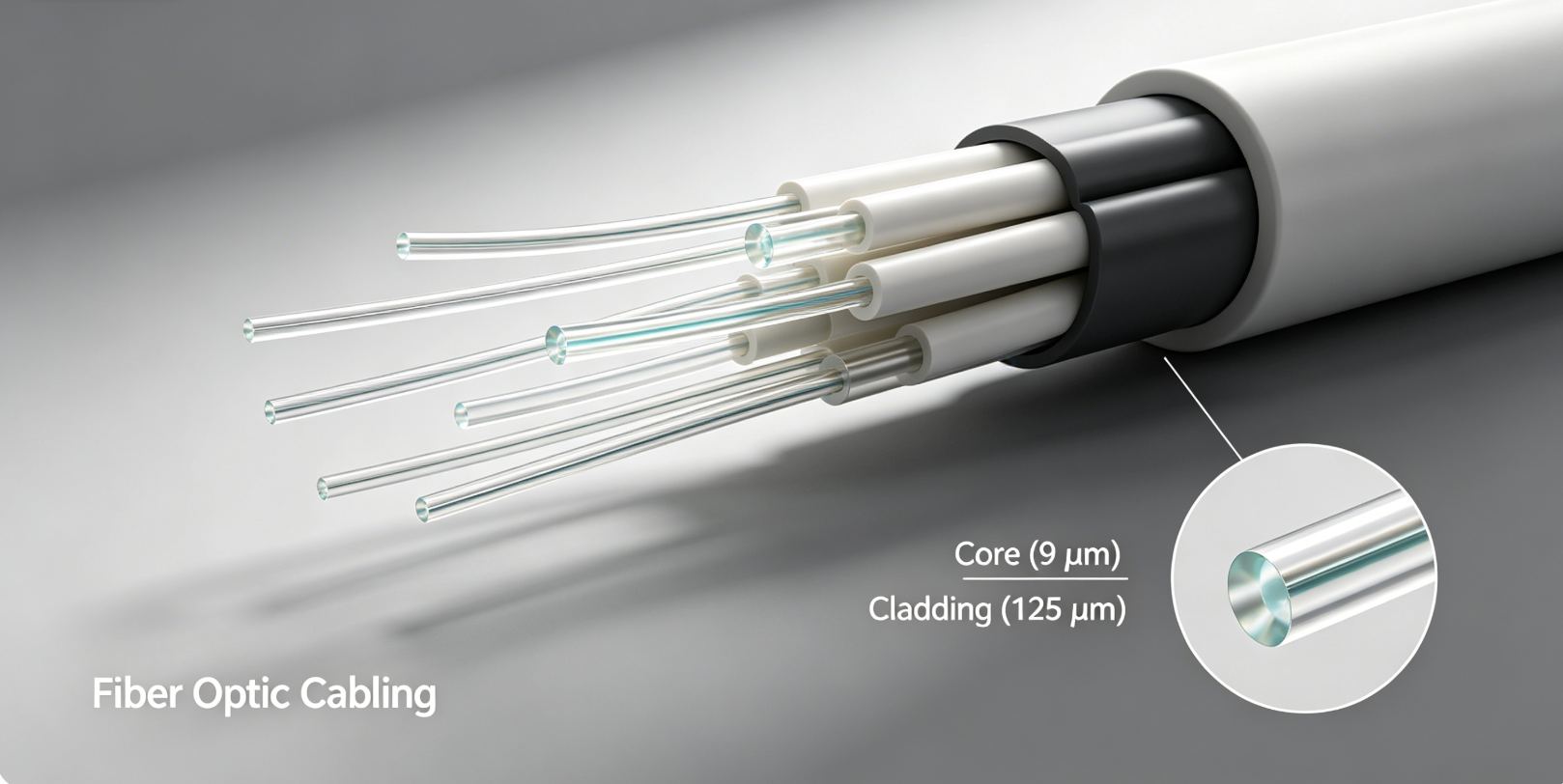
Engineers must prioritize materials that resist oil, UV radiation, and crushing forces. Utilizing high-quality Fiber Optic Cable with armored jacketing is the first line of defense against physical damage. Modern industrial facilities often combine these cables with specialized enclosures to protect delicate termination points.
Essential Components for Harsh Environment Networking
Building a robust network in a factory or outdoor setting involves more than just cables. It requires an ecosystem of hardened hardware designed to maintain performance standards when exposed to the elements.
1. Ruggedized Outdoor and Armored Cables
Outdoor fiber optic cables feature water-blocking technology and rodent-resistant metallic or non-metallic armor. These cables are essential for campus links or oil and gas sites where exposure to moisture and pressure is constant.
2. Industrial Media Converters and Switches
Standard network switches often fail in high-heat environments. An Industrial media converter provides the necessary copper-to-fiber transition while operating in temperatures ranging from -40°C to 75°C. These devices are typically housed in IP30 or IP67-rated metal casings for superior heat dissipation.
3. Hardened Transceivers
The Fiber Optic Transceiver Module used in industrial settings must be rated for extended temperature ranges. Commercial-grade SFP modules often experience “thermal throttling” or laser degradation when used in non-climate-controlled cabinets, whereas industrial-grade modules ensure consistent bit-error rates.
Comparative Analysis of Fiber Cabling Materials
The choice of cable jacket material (LSZH, PVC, or PE) significantly impacts the safety and longevity of the installation. In many industrial applications, Low Smoke Zero Halogen (LSZH) is preferred for indoor factory floors to prevent toxic gas release during fires.
Table 1: Industrial Fiber Jacket Material Comparison
| Feature | PVC (Polyvinyl Chloride) | LSZH (Low Smoke Zero Halogen) | PE (Polyethylene) |
|---|---|---|---|
| Primary Use | Indoor/General Purpose | Indoor/Public Safety Areas | Outdoor/Underground |
| Moisture Resistance | Moderate | Low | High |
| Chemical Resistance | High | Moderate | Very High |
| Flame Retardancy | Good | Excellent | Poor (unless treated) |
| Flexibility | Excellent | Moderate | Stiff |
Strategic Implementation of MPO/MTP Solutions
High-density industrial environments, such as smart warehouses and automated assembly lines, increasingly rely on MPO/MTP Solution frameworks. These pre-terminated systems reduce installation time by up to 75% and minimize the risk of fiber end-face contamination in dusty environments.
By using an MPO Cassette Patch Panel, technicians can quickly deploy multi-fiber trunks without the need for complex field splicing. This “plug-and-play” approach is vital for minimizing maintenance windows in critical production zones. Furthermore, the IEEE 802.3 industry standards emphasize that pre-terminated assemblies provide more predictable link loss budgets compared to manual field terminations.
Selecting the Right Enclosures for Environmental Protection
Termination points are the most vulnerable parts of a fiber network. In industrial settings, a Metal box terminal or a heavy-duty fiber distribution panel is necessary to shield connectors from airborne particles and accidental impact.
Technical Checklist for Industrial Fiber Selection:
- Temperature Rating: Ensure all components are rated for -40°C to +85°C if installed in unconditioned spaces.
- Ingress Protection (IP): Use IP67-rated connectors for areas subject to wash-downs or heavy dust.
- Pull Tension: Verify that the cable’s tensile strength exceeds 2700N for long vertical or horizontal pulls.
- Bend Radius: Select bend-insensitive fiber (G.657.A1/A2) to maintain signal quality in tight conduit spaces.
Future-Proofing Industrial Networks with 10G and Beyond
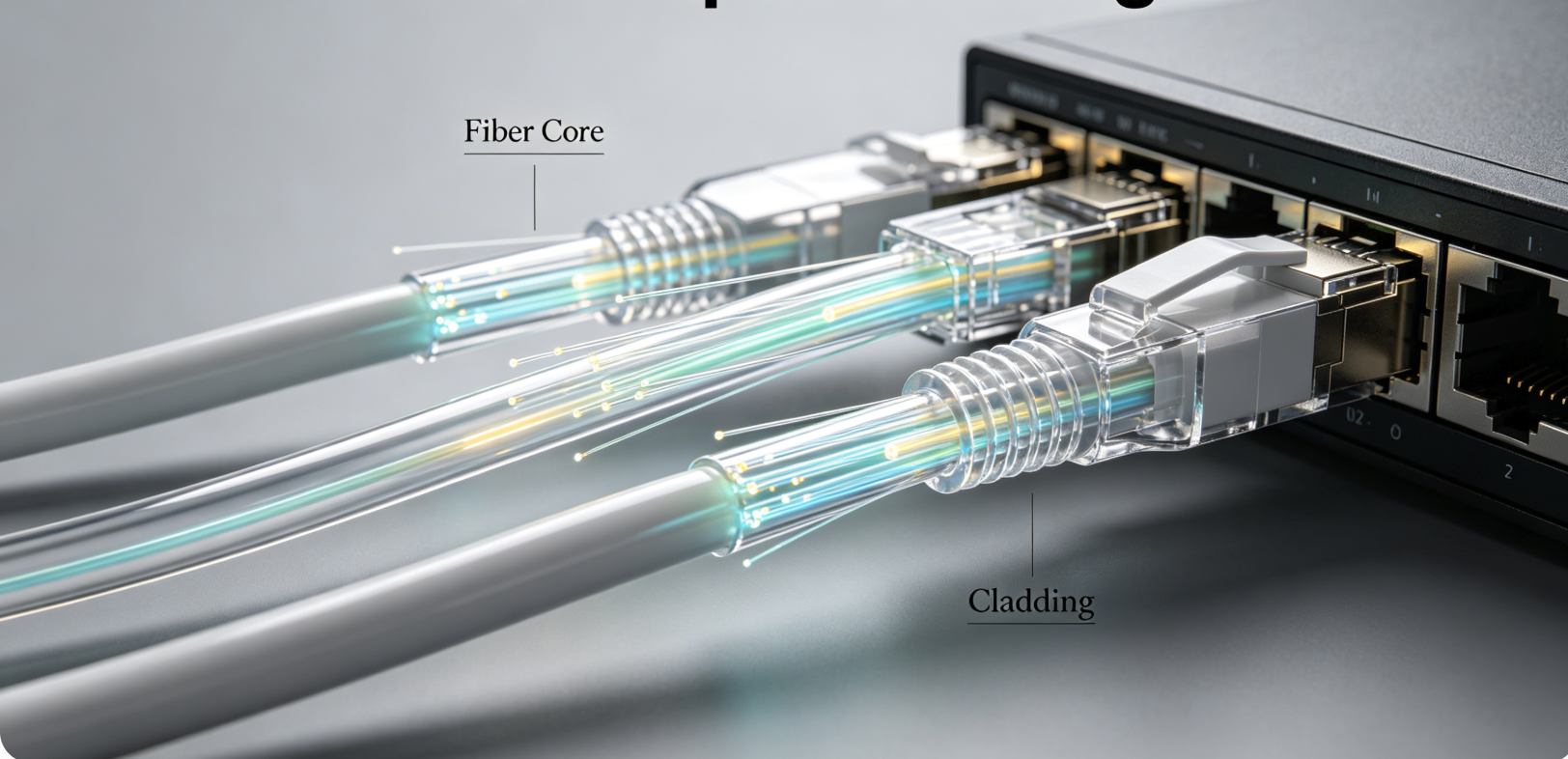
As Industry 4.0 matures, the demand for bandwidth in harsh environments is shifting from Megabits to Gigabits. Deploying a 10G SFP Fiber Optic Transceiver ensures that the network can handle real-time high-definition video inspection and massive sensor data throughput.
According to reports from the International Electrotechnical Commission (IEC), the transition to fiber-to-the-edge in industrial settings is accelerating to overcome the distance limitations and EMI sensitivity of traditional Cat6 copper cabling. High-speed fiber links are now considered the standard for reliable industrial Ethernet backbones.
Table 2: Fiber Type Suitability by Industrial Application
| Application | Recommended Fiber Type | Key Benefit |
|---|---|---|
| Oil & Gas Refineries | Single-mode (OS2) Armored | Long-distance, chemical resistance |
| Manufacturing Floors | Multi-mode (OM4) LSZH | High bandwidth, fire safety |
| Outdoor Surveillance | Single-mode (OS2) PE | UV resistance, low attenuation |
| Data Aggregation | MTP/MPO Trunk Cables | Rapid deployment, high density |
Conclusion: Investing in Reliability
Implementing the best fiber optic cabling solutions for harsh industrial environments is an investment in operational continuity. By selecting hardened components like industrial media converters and armored Fiber Patch Cord & Pigtail assemblies, companies can prevent costly signal failures. Adhering to international standards and utilizing high-quality manufacturing solutions ensures that your network remains a reliable backbone for years to come.
Frequently Asked Questions (FAQ)
1. What makes a fiber optic cable “industrial grade” compared to standard cables?
Industrial-grade fiber cables feature specialized jacketing like Polyurethane (PUR) or armored layers to resist mechanical crushing, chemicals, and extreme temperatures. Unlike standard office-grade PVC cables, these solutions meet strict MICE classifications for environmental durability. They often incorporate water-blocking yarns and UV stabilizers to prevent degradation in outdoor or high-humidity factory settings.
2. When should I use an industrial media converter instead of a standard one?
You should use an industrial media converter when the equipment is located in environments with temperatures outside the 0°C to 50°C range or where high electromagnetic interference is present. Industrial versions feature DIN-rail mounting, redundant power inputs, and fanless metal housings. These features ensure the device survives the electrical surges and vibration common in manufacturing plants.
3. How does MPO/MTP technology benefit harsh environment deployments?
MPO/MTP solutions benefit harsh environments by providing factory-polished, pre-tested connections that eliminate the need for field splicing in contaminated air. Using sealed MPO cassettes protects the fiber interface from dust and moisture. This approach significantly reduces the time technicians spend in hazardous or uncomfortable areas while ensuring superior optical performance across high-density links.
4. Is single-mode or multi-mode fiber better for industrial applications?
Single-mode (OS2) is better for long-distance outdoor links and future-proofing against high-bandwidth needs, while multi-mode (OM3/OM4) is ideal for shorter runs within a factory floor. Single-mode fiber generally offers better resistance to attenuation over distance, making it the standard for campus-wide industrial networks. However, multi-mode remains cost-effective for localized high-speed machine-to-machine communication.
5. Why is the IP rating important for fiber optic terminal boxes?
The IP (Ingress Protection) rating defines how well a terminal box prevents solids and liquids from reaching the internal fiber connections. In industrial environments, an IP65 or IP67 rating is crucial to protect against dust, oil splashes, and low-pressure water jets during facility cleaning. Without a proper rating, contaminants can cause permanent signal loss or physical damage to the fiber end-faces.