



Protocol data units, or PDUs, are essential components in networking. They serve as the building blocks for data communication, allowing devices to exchange information efficiently. A Basic PDU encapsulates data with crucial control information, enabling systematic processing across various layers of the OSI model. This structure not only ensures data integrity but also enhances the reliability of communication.
An Intelligent PDU takes this a step further by incorporating advanced features that facilitate better management and monitoring of network traffic. Understanding PDUs is vital for network professionals and enthusiasts alike. Whether they are troubleshooting issues or designing networks, knowledge of both Basic PDUs and Intelligent PDUs helps them navigate the complexities of data transmission effectively.
Key Takeaways
- Protocol Data Units (PDUs) are essential for effective data communication in networking.
- Each layer of the OSI and TCP/IP models uses different types of PDUs, such as data, segments, packets, and frames.
- Understanding PDUs helps ensure reliable data transmission and enhances network performance.
- Encapsulation and decapsulation processes are crucial for preparing data for transmission and retrieving it accurately.
- PDUs include headers and trailers that provide control information, ensuring data integrity and error detection.
- Properly sized PDUs can improve network efficiency, while poorly sized ones may lead to delays.
- Knowledge of PDUs is valuable for troubleshooting and designing networks effectively.
- Engaging with practical networking projects can deepen your understanding of PDUs and their importance.
What are Protocol Data Units?
Definition of Protocol Data Units
A protocol data unit (PDU) serves as the fundamental unit of exchange between entities that communicate using a specific networking protocol. This definition highlights the critical role PDUs play in facilitating data exchange across networks. They encapsulate both data and control information, ensuring efficient communication. Unlike other data structures, PDUs are specifically designed to include headers or trailers with control information. This structure is essential for the reliable transmission of data across networks.
Types of Protocol Data Units
Understanding the different types of protocol data units helps clarify how data travels through various layers of a network. Here’s a breakdown of the main types:
Application Layer Protocol Data Units
Application layer PDUs, often referred to as messages, encapsulate data generated by applications. They facilitate tasks like file transfers, web browsing, and email communication. These PDUs ensure that the data sent from one application reaches another application correctly.
Transport Layer Protocol Data Units
Transport layer PDUs come in two forms: TCP segments and UDP datagrams. TCP segments guarantee reliability and order, making them ideal for applications where data integrity is crucial. On the other hand, UDP datagrams prioritize speed over reliability, making them suitable for applications like video streaming or online gaming where speed is more important than perfect accuracy.
| Feature | TCP Segment | UDP Datagram |
|---|---|---|
| Reliability | Guarantees data integrity | No guarantees, potential data loss |
| Order | Ensures data is received in order | No order guarantee |
| Error Checking | Robust error checking with checksums | Minimal error checking |
| Connection Orientation | Connection-oriented | Connectionless |
| Overhead | Higher due to error recovery | Lower due to lack of reliability checks |
Network Layer Protocol Data Units
Network layer PDUs are primarily represented by IP packets. These packets are responsible for routing data across networks. The size of these packets can vary, especially between IPv4 and IPv6, which impacts how data is transmitted over the internet.
| Protocol | Minimum Size (bytes) | Maximum Size (bytes) |
|---|---|---|
| IPv4 | 46 | 1500 |
| IPv6 | 46 | 1500 |
Data Link Layer Protocol Data Units
Data link layer PDUs are known as frames. These frames include headers and trailers that help with local network communication. They ensure accurate data delivery by providing necessary control information for devices on the same local network.
Physical Layer Protocol Data Units
At the physical layer, PDUs convert frames into bits for transmission over various media. This layer adapts to different communication methods, ensuring that data can travel through cables, fiber optics, or wireless signals.
Understanding these types of protocol data units is crucial for anyone involved in networking. Each type plays a unique role in ensuring that data is transmitted efficiently and accurately across different layers of the OSI model.
The Role of Protocol Data Units in the OSI Model
Overview of the OSI Model
The OSI model, or Open Systems Interconnection model, is a framework that standardizes how different networking systems communicate. It emerged in the late 1970s and early 1980s, providing a structured approach to network communication. This model divides the communication process into seven distinct layers, each with its own specific functions. By doing so, it helps ensure that devices from different manufacturers can work together seamlessly.
Here’s a quick look at the seven layers of the OSI model:
| Layer Number | Layer Name | Function Description |
|---|---|---|
| 7 | Application Layer | Provides network services directly to user applications and facilitates communication. |
| 6 | Presentation Layer | Transforms data into formats the application layer can process. |
| 5 | Session Layer | Manages communication sessions between nodes. |
| 4 | Transport Layer | Ensures reliable end-to-end data delivery between hosts. |
| 3 | Network Layer | Routes data packets between different networks. |
| 2 | Data Link Layer | Establishes a reliable link between two directly connected nodes. |
| 1 | Physical Layer | Transmits raw bits over physical mediums like cables and wireless signals. |
Protocol Data Units at Each Layer
Understanding how protocol data units operate at each layer of the OSI model is crucial for grasping the overall data communication process. Each layer has its own way of handling data, which ensures that information travels smoothly from one point to another.
Application Layer
At the application layer, the protocol data unit is simply referred to as "data." This layer interacts directly with user applications, allowing them to send and receive information. For instance, when you send an email, the application layer packages your message as data, ready for transmission.
Transport Layer
The transport layer uses segments for TCP connections and datagrams for UDP connections. This layer is responsible for ensuring that data arrives intact and in the correct order. It manages error checking and flow control, making it essential for reliable communication.
Network Layer
In the network layer, the protocol data unit is called a packet. This layer routes packets across different networks, determining the best path for data to travel. It encapsulates the data received from the transport layer into packets, which include addressing information to guide them to their destination.
Data Link Layer
The data link layer organizes data into frames. These frames contain headers and trailers that help with local network communication. They ensure that data is delivered accurately between devices on the same local network. This layer also handles error detection and correction, enhancing the reliability of data transmission.
Physical Layer
Finally, the physical layer transmits data as bits. This layer converts frames into electrical signals, light pulses, or radio waves, depending on the medium used for transmission. It deals with the physical aspects of sending data, such as voltage levels and timing.
The Role of Protocol Data Units in the TCP/IP Model
Overview of the TCP/IP Model
The TCP/IP model, short for Transmission Control Protocol/Internet Protocol, is a set of communication protocols used for the internet and similar networks. This model simplifies networking by organizing it into four layers. Each layer has specific functions and responsibilities, making it easier for devices to communicate. The layers include:
- Application Layer: This layer interacts directly with software applications.
- Transport Layer: It ensures reliable data transfer between devices.
- Internet Layer: This layer handles the routing of data packets across networks.
- Link Layer: It manages the physical connection between devices.
Understanding these layers helps clarify how protocol data units function within the TCP/IP model.
Protocol Data Units in TCP/IP Layers
Application Layer
In the application layer, the protocol data unit is simply referred to as "data." This layer packages the information generated by applications, such as web browsers or email clients. When you send a message, the application layer prepares it for transmission, ensuring it reaches the correct destination.
Transport Layer
The transport layer uses segments as its protocol data unit. Segments ensure that data arrives intact and in the correct order. This layer manages error checking and flow control, which are essential for reliable communication. For example, when you stream a video, the transport layer ensures that the segments arrive in the right sequence, allowing for smooth playback.
Internet Layer
At the internet layer, the protocol data unit is called a packet. Packets contain the data from the transport layer along with addressing information. This layer is responsible for routing packets across different networks. It determines the best path for data to travel, ensuring it reaches its destination efficiently.
Link Layer
Finally, the link layer uses frames as its protocol data unit. Frames encapsulate packets for transmission over the physical medium. This layer ensures that data is delivered accurately between devices on the same local network. It also handles error detection and correction, enhancing the reliability of data transmission.
Here’s a quick summary of the TCP/IP layers and their corresponding protocol data units:
| Layer | Protocol Data Unit (PDU) |
|---|---|
| Application layer | Data |
| Transport layer | Segment |
| Internet layer | Packet |
| Network link layer | Frame |
Understanding these protocol data units within the TCP/IP model is crucial for anyone working in networking. Each layer plays a vital role in ensuring that data is transmitted efficiently and accurately.
Structure of a Protocol Data Unit
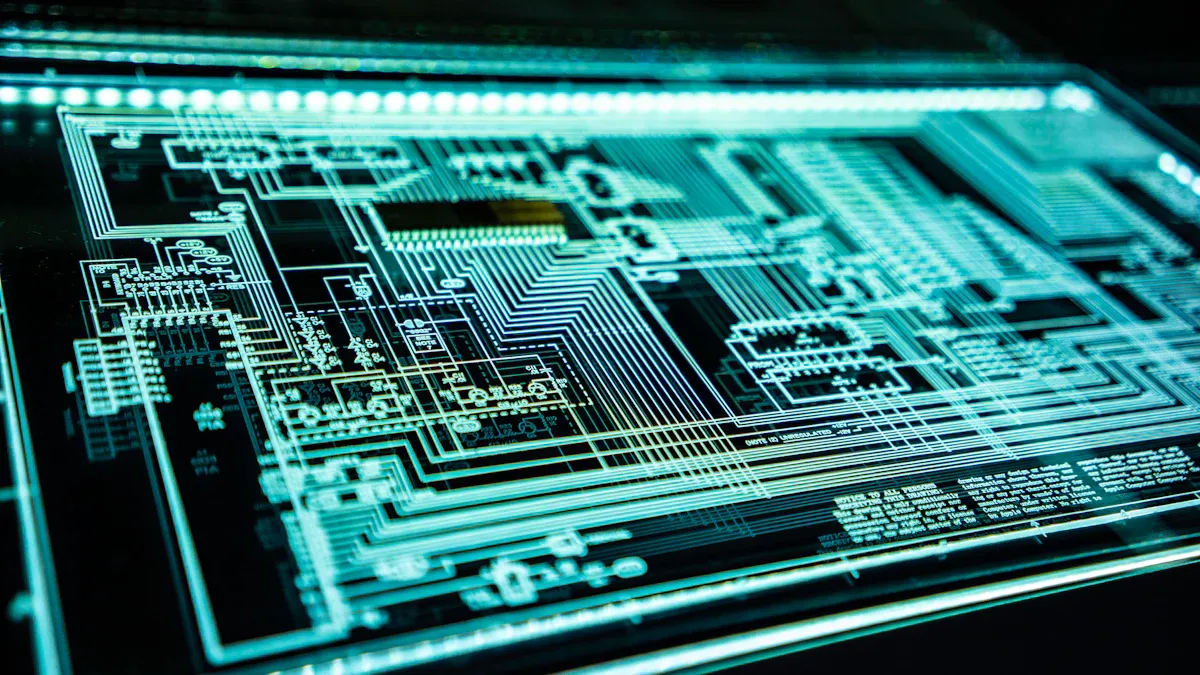
Understanding the structure of a protocol data unit (PDU) is crucial for grasping how data travels across networks. Each PDU consists of three main components: the header, the payload, and the trailer. Let’s break these down.
Components of Protocol Data Units
Header
The header is the first part of a PDU. It contains essential control information that helps devices understand how to process the data. Here are some key elements found in the header:
- Source Address: Identifies where the data is coming from.
- Destination Address: Indicates where the data should go.
- Flags: These are special markers that provide instructions on how to handle the data.
- Message Order: Helps maintain the sequence of messages within a session.
| Component | Description |
|---|---|
| Header | Contains control information such as source address, destination address, flags, and order of messages within a session. |
Payload
The payload is the heart of the PDU. It carries the actual data being transmitted, such as a segment of a file or part of an email message. The size of the payload can significantly impact network performance. Here’s why:
- Role of Payload: It holds the user data, like text or video packets.
- Impact on Network: Larger payloads may lead to increased transmission times, while smaller payloads can enhance efficiency.
| Aspect | Description |
|---|---|
| Role of Payload | The payload carries the actual user data being communicated, such as text from an email or packets of a video stream. |
| Impact on Network | This user interface is the core content that the communication intends to convey. |
Trailer
The trailer, while optional, plays a vital role in ensuring data integrity. It often includes error-checking mechanisms, such as checksums or cyclic redundancy checks (CRC). These tools help identify and rectify any transmission errors, ensuring that the data received matches what was sent.
Importance of Each Component
Each component of a PDU serves a specific purpose that enhances data transmission and processing:
- The header provides critical control information, helping devices interpret the data correctly.
- The payload contains the actual data being transmitted, including user commands and server responses.
- The trailer often includes error-detection mechanisms to identify and rectify transmission errors, ensuring data integrity.
By managing data fragmentation, PDUs maintain the structure and sequence of fragmented data for efficient reassembly. This organization enhances transmission reliability, making communication smoother and more effective.
Encapsulation and Decapsulation Processes
What is Encapsulation?
Encapsulation is a key process in networking. It involves wrapping data from a higher-layer protocol into a lower-layer protocol’s PDU. As data moves down through the layers of the OSI or TCP/IP model, each layer adds its own specific headers and sometimes footers. This transformation ensures that the data is formatted correctly for transmission.
Here’s how encapsulation works step-by-step:
- User data is generated at the application layer.
- The data moves down to the presentation layer, where it gets encoded and sometimes encrypted.
- At the session layer, a session ID is added.
- The transport layer segments the data and adds headers.
- The network layer adds an IP header, creating an IP packet.
- Finally, at the data link layer, a header and trailer are added, resulting in a frame.
This process not only prepares the data for transmission but also enhances its integrity and security. For instance, protocols like ESP encrypt the contents of IP packets, ensuring that only authorized recipients can access the data. They also verify the sender’s identity, preventing spoofing attacks and using integrity check values to confirm that data remains unaltered during transmission.
What is Decapsulation?
Decapsulation is the reverse of encapsulation. As a PDU travels up the protocol stack, each layer removes its specific header and trailer. This process continues until the application layer receives the original data, allowing it to process the information as intended.
Here’s how decapsulation unfolds:
- The process starts at the Network Interface Card (NIC) when a packet arrives.
- At the Data Link layer, the frame header is examined to check if the packet is intended for the device. If the MAC addresses match, the header is removed.
- The Network layer verifies the destination IP address and routing information, removing the IP header afterward.
- The Transport layer processes the data, examining sequence numbers and acknowledgment numbers before header removal.
- Finally, the upper layers may perform additional functions like encryption or data compression before delivering the final payload.
This systematic removal of headers and trailers ensures that data is accurately delivered to applications. When data reaches its destination device, decapsulation reverses the encapsulation process, allowing the core data to be passed up through the layers until it reaches the application layer.
Importance in Data Transmission
Understanding encapsulation and decapsulation is vital for reliable data transmission. These processes ensure that data is correctly packaged and transmitted across different network layers. They facilitate effective communication by adding and removing headers and trailers that contain essential control information.
Significance of Protocol Data Units in Network Communication
Impact on Data Integrity
Protocol data units play a crucial role in maintaining data integrity during network communication. They ensure that the information sent from one device to another remains accurate and unaltered. Here are some key components that contribute to this:
- Header: Contains routing information and sequencing details to ensure data is directed correctly and reassembled in order.
- Payload: The actual data being transmitted; if corrupted, the communication fails.
- Trailer: Includes error-checking mechanisms that verify data integrity and prompt retransmission if errors are detected.
These elements work together to create a reliable communication channel. For instance, if a packet gets corrupted during transmission, the trailer can signal the need for a retransmission, ensuring that the data received is the same as what was sent.
Role in Routing and Switching
Protocol data units also facilitate efficient routing and switching in modern networks. They provide a standardized format for data exchange, which enables effective communication between diverse devices. Here’s how they help:
- PDUs manage the flow of information by segmenting data into manageable units, aiding in error handling and data integrity.
- They ensure optimal data sizes for network infrastructure, enhancing resource efficiency and reducing latency.
By using PDUs, routers and switches can quickly determine the best path for data to travel. This efficiency is vital for maintaining smooth network operations, especially in environments with heavy traffic.
Protocol Data Units and Network Performance
The design of protocol data units significantly impacts network performance metrics such as latency and throughput. High latency can negatively affect throughput, particularly in real-time data processing applications. Here are some important points to consider:
- Increased latency reduces throughput in acknowledgment-based protocols like TCP, as they must wait for acknowledgments before sending more data.
- Network protocols such as TCP and IP add headers and trailers to packets, consuming bandwidth and impacting throughput.
Understanding these factors helps network professionals optimize their systems for better performance. By managing PDUs effectively, they can enhance the overall efficiency of data transmission across the network.
In summary, protocol data units (PDUs) are vital for effective networking. They play a crucial role in data encapsulation and error checking. Each network layer has its specific PDU type, like bits, frames, packets, and segments. PDUs ensure reliable communication by including headers with control details, such as source and destination addresses.
Understanding PDUs helps network professionals manage data flow and improve network performance. So, whether you’re a seasoned expert or just starting, diving deeper into networking concepts will enhance your skills and knowledge. 🌐
FAQ
What is a Protocol Data Unit (PDU)?
A Protocol Data Unit (PDU) is a unit of data used in networking. It encapsulates both user data and control information, allowing devices to communicate effectively across different layers of the OSI or TCP/IP models.
Why are PDUs important in networking?
PDUs are crucial because they ensure reliable data transmission. They help maintain data integrity, manage error detection, and facilitate routing and switching, making communication between devices efficient.
How do PDUs differ across layers?
Each layer of the OSI and TCP/IP models uses different types of PDUs. For example, the application layer uses "data," the transport layer uses "segments," and the network layer uses "packets."
What is encapsulation in networking?
Encapsulation is the process of wrapping data with headers and trailers as it moves down the layers of the OSI or TCP/IP model. This ensures that data is formatted correctly for transmission.
What is decapsulation?
Decapsulation is the reverse process of encapsulation. It involves removing headers and trailers from a PDU as it moves up through the layers, allowing the original data to be accessed by applications.
How do PDUs impact network performance?
PDUs affect network performance by influencing latency and throughput. Properly sized PDUs can enhance efficiency, while poorly sized ones may lead to delays and reduced data transfer rates.
Can PDUs help with error detection?
Yes, PDUs often include error-checking mechanisms in their trailers. These mechanisms help identify and correct errors during transmission, ensuring that the data received matches what was sent.
How can I learn more about PDUs?
To learn more about PDUs, consider exploring networking courses, online tutorials, or books focused on data communication. Engaging with practical networking projects can also deepen your understanding.
 English
  Russian
  Spanish
  Portuguese
  Korean
  Japanese