

Los conectores MPO desempeñan un papel crucial en la alineación de múltiples hilos de fibra óptica, lo que permite una transmisión de datos eficiente. Estos conectores garantizan una alineación precisa, lo cual es vital para mantener la integridad de la señal. Los adaptadores MPO mejoran la conectividad al permitir conexiones perfectas entre diferentes tipos de conectores MPO. Su importancia ha aumentado en los últimos años; por ejemplo, 68% de nuevos centros de datos Ahora utilizan conectores MPO, lo que refleja una tendencia creciente en soluciones de redes de alta densidad. A medida que las empresas buscan conexiones más rápidas y confiables, los adaptadores MPO se han convertido en componentes esenciales en la infraestructura de redes moderna.
Key Takeaways
- Los conectores MPO permiten transmisión de datos eficiente alineando múltiples hilos de fibra.
- Los adaptadores MPO mejoran la conectividad, permitiendo una integración perfecta entre diferentes conectores MPO.
- El uso de la tecnología MPO aumenta la densidad de la fibra, ahorrando espacio valioso en los centros de datos.
- Los adaptadores MPO admiten fibras monomodo y multimodo, lo que los hace versátiles para diversas redes.
- Invertir en soluciones MPO prepara a las organizaciones para futuras demandas de datos y escalabilidad.
- Los adaptadores MPO simplifican la instalación y el mantenimiento, reduciendo el desorden en entornos de alta densidad.
- Choosing the right Adaptador MPO Implica considerar el número de núcleos, el tipo de fibra y la compatibilidad con los sistemas existentes.
- El cumplimiento de los estándares de rendimiento garantiza una transmisión de datos confiable y minimiza la pérdida de señal.
Comprensión de los conectores MPO
¿Qué son los conectores MPO?
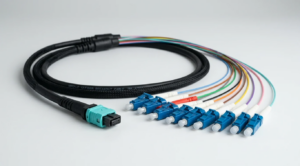
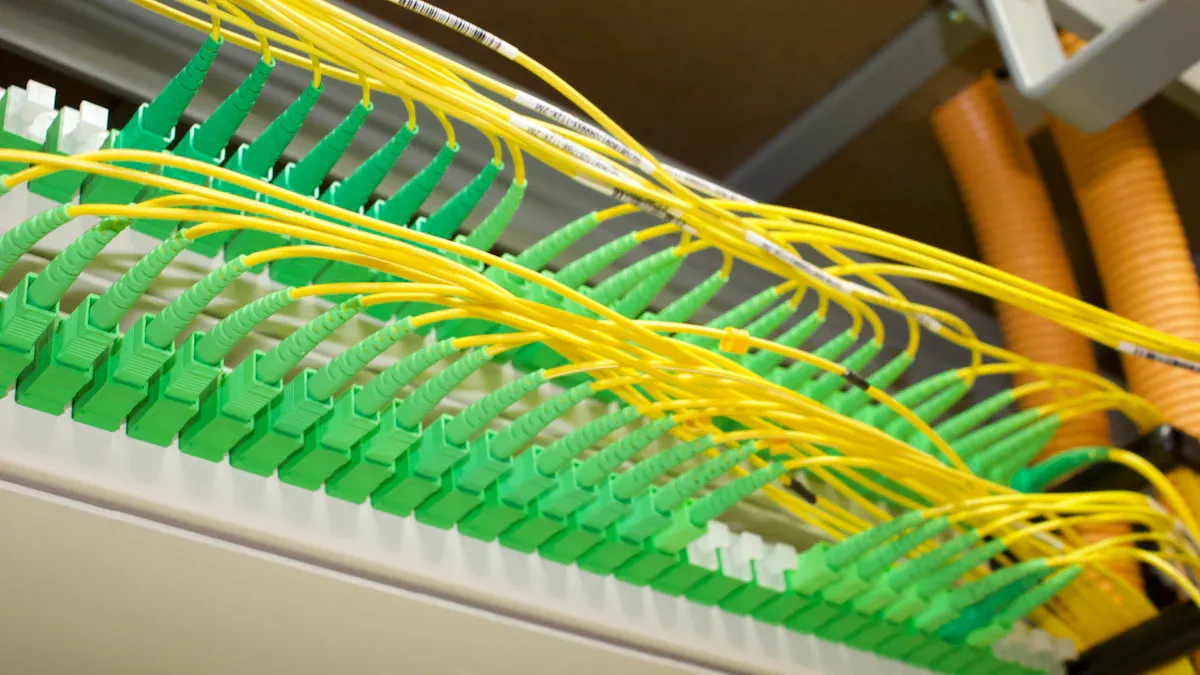
Los conectores MPO (Multi-fiber Push On) sirven como un componente vital en las redes de fibra óptica. Estos conectores pueden acomodar múltiples fibras dentro de una sola carcasa de conector, lo que permite una transmisión de datos eficiente. Típicamente, Conectores MPO Puede albergar configuraciones de 8, 12, 16 o incluso 24 fibras, según la disposición. La capacidad de conectar múltiples fibras simultáneamente hace que los conectores MPO sean ideales para aplicaciones de alta densidad, como centros de datos y telecomunicaciones.
Cómo funcionan los conectores MPO
Los conectores MPO funcionan alineando múltiples hilos de fibra óptica dentro de un solo conector. Esta alineación es crucial para mantener la integridad de la señal y minimizar la pérdida durante la transmisión de datos. El diseño de los conectores MPO incluye casquillos moldeados con precisión que garantizan una alineación precisa del núcleo. Este diseño minimiza la pérdida de señal y mejora la calidad de la transmisión de datos.
Características clave de los conectores MPO:
- Precisión de alineación central es esencial para un rendimiento óptimo.
- Los casquillos moldeados con precisión mantienen un posicionamiento consistente de los núcleos de fibra.
- Los procesos de fabricación de alta calidad evitan desalineaciones, que pueden provocar problemas de rendimiento.
Componentes clave de los conectores MPO
Los conectores MPO constan de varios componentes clave que contribuyen a su funcionalidad y rendimiento.:
- Ferrule: La férula es un componente crítico que mantiene las fibras en su lugar. Por lo general, está fabricado con materiales moldeados con precisión para garantizar una alineación precisa.
- Pasadores de guía: Estos pines ayudan a alinear las fibras dentro del conector, asegurando que se conecten correctamente con otros conectores.
- Carcasa exterior: La carcasa exterior proporciona protección y estabilidad a los componentes internos. Por lo general, está hecho de plástico o metal duradero.
- Pasadores de alineación: Estos pasadores ayudan a mantener la posición correcta de las fibras durante la conexión.
La siguiente tabla resume los diferencias estructurales entre conectores MPO y conectores MTP, destacando sus características únicas:
| Feature | Conectores MPO | Conectores MTP |
|---|---|---|
| Tolerancias de fabricación | Tolerancias estándar | Tolerancias más altas para una mayor confiabilidad |
| Diseño de férula | Casquillos estándar | Casquillos de alto rendimiento con pasadores guía elípticos |
| Capacidad de repulido | Opciones limitadas de repulido | Fácilmente repulido para mantenimiento. |
| Férula flotante | No suele flotar | Diseño flotante para un contacto constante |
| Durability | Durabilidad estándar | Durabilidad mejorada con puntas de pasador de metal |
| Aplicaciones | uso general | Centros de datos y redes de alta densidad |
Los conectores MPO son esenciales para las redes modernas y proporcionan la infraestructura necesaria para la transmisión de datos de alta velocidad. Su diseño y funcionalidad los convierten en la opción preferida para diversas aplicaciones, lo que garantiza que las redes puedan manejar las crecientes demandas de datos de manera efectiva.
El papel de los adaptadores MPO
¿Qué son los adaptadores MPO?
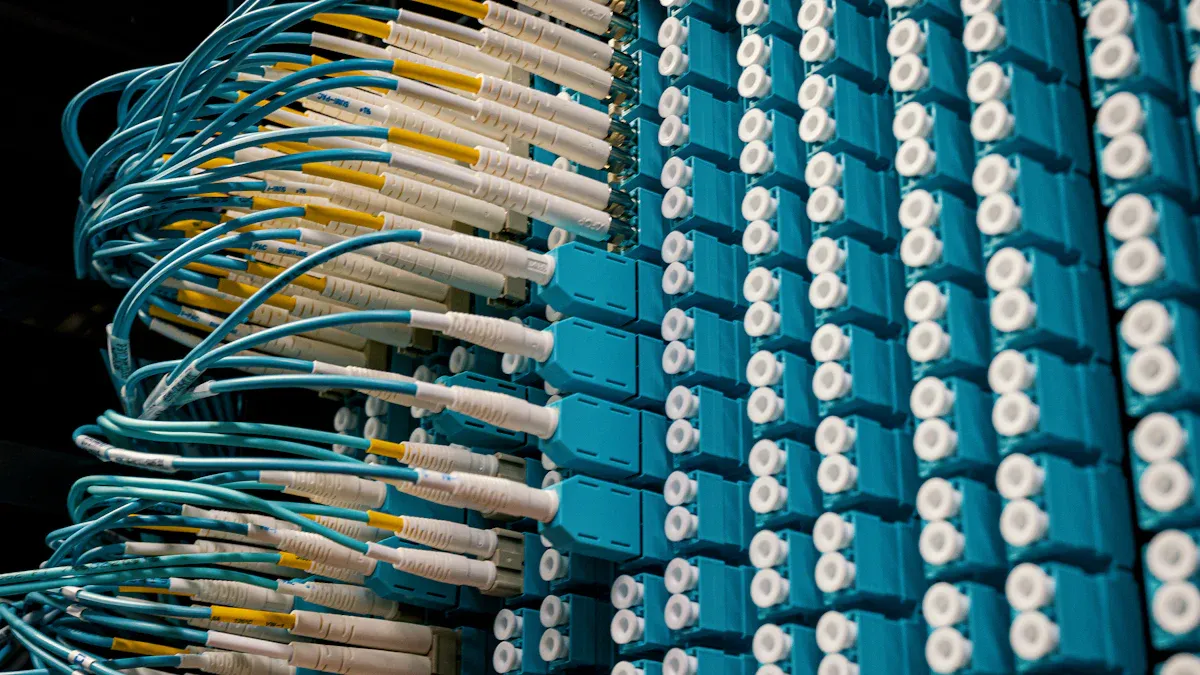
Los adaptadores MPO sirven como componentes esenciales en las redes de fibra óptica, lo que permite conexiones perfectas entre conectores MPO. Estos adaptadores permiten la alineación eficiente de múltiples fibras, asegurando una transmisión de datos óptima. Al proporcionar una interfaz compacta para conexiones multifibra, los adaptadores MPO son cruciales para aplicaciones de alta densidad. Se distinguen de otros adaptadores de fibra óptica por varios funcionalidades clave:
- Mejor rendimiento óptico: Los adaptadores MPO presentan una baja pérdida de inserción y una alta pérdida de retorno, lo que garantiza una integridad de señal confiable.
- Mayor precisión y alineación: Logran una alineación precisa de las fibras a través de casquillos MT, lo cual es vital para los sistemas de alta densidad.
- Escalabilidad: Los adaptadores MPO se pueden configurar para acomodar entre 8 y 72 hilos, lo que facilita las actualizaciones de la red.
- Larga vida útil: Su diseño robusto protege contra roturas durante el acoplamiento y desacoplamiento.
- Fácil de instalar: Muchos adaptadores MPO cuentan con mecanismos de cierre push-pull para una conectividad conveniente.
- Perspectiva personalizable: Están disponibles en varias formas y polaridades para satisfacer diversas necesidades de redes.
Cómo los adaptadores MPO facilitan las conexiones
Los adaptadores MPO desempeñan un papel fundamental en implementaciones a gran escala al garantizar alineación precisa de múltiples hebras de fibras. Esta alineación es esencial para mantener conexiones de alta velocidad. Los adaptadores facilitan el acoplamiento de conectores MPO, que pueden transportar hasta 24 fibras. Su diseño cumple con estrictas tolerancias de aproximadamente 0,5 micras. Esta precisión es vital en entornos donde miles de fibras terminan en un solo bastidor. Cualquier desalineación puede provocar problemas operativos importantes, como la pérdida de paquetes durante tareas críticas.
Los adaptadores MPO también admiten sistemas monomodo y multimodo, lo que los hace versátiles para diversas configuraciones de red. Su diseño compacto permite conexiones de alta densidad, lo cual es cada vez más importante a medida que crece la demanda de datos.
Tipos de adaptadores MPO
Los adaptadores MPO vienen en varios tipos, cada uno diseñado para aplicaciones específicas. El tres tipos principales incluir:
- Escribe: Este tipo se utiliza para conexiones estándar en configuraciones sin clavijas. Mantiene las posiciones del núcleo de las fibras de manera directa.
- Tipo B: Ideales para aplicaciones que requieren polaridad invertida, los adaptadores tipo B entrelazan posiciones del núcleo de fibra.
- Tipo C: Adecuados para pares cruzados o divididos en configuraciones complejas, los adaptadores tipo C cuentan con pares escalonados con núcleos de fibra adyacentes entrelazados.
| Tipo de adaptador | Description | Orientación clave |
|---|---|---|
| Escribe | Tecla arriba-llave abajo coincidente en ambos extremos | Opuesto |
| Tipo B | Key up-Key up coincidente en ambos extremos | Mismo |
| Tipo C | Configuraciones cruzadas | Intercalado |
Cada tipo sirve para distintas aplicaciones en sistemas de comunicación de fibra óptica, lo que garantiza que los ingenieros de redes puedan seleccionar el adaptador adecuado para sus necesidades específicas.
Ventajas de utilizar adaptadores MPO
Mayor densidad y eficiencia
Los adaptadores MPO mejoran significativamente las redes de fibra óptica al aumentar la densidad y la eficiencia. Permiten la terminación de múltiples fibras en un espacio compacto. Esta capacidad es crucial en entornos donde el espacio es limitado. Por ejemplo, los adaptadores MPO pueden alcanzar una densidad de fibra máxima de 144 núcleos de fibra en sólo 1U de espacio de rack. Esta densidad es cuatro veces mayor que la de los paneles de conexión convencionales. La siguiente tabla resume las características clave de los adaptadores MPO con respecto a la densidad de fibra.:
| Feature | Details |
|---|---|
| Densidad máxima de fibra | 144 núcleos de fibra en un espacio de 1U |
| Compatibilidad | Casetes y paneles MPO/MTP |
| Comparación de densidad | Cuatro veces más que los paneles de conexión convencionales |
| Uso Ideal | Bastidores MDA, IDA, HAD y ODF |
| Fiber Capacity | Hasta 144 núcleos |
| Compatibilidad del módulo | Módulos LC o MPO 12F/24F |
Rentabilidad en redes
Los adaptadores MPO también contribuyen a la rentabilidad en proyectos de redes. Por lo general, tienen un costo inicial más bajo, lo que los hace atractivos para empresas preocupadas por su presupuesto. Sin embargo, es esencial considerar el desempeño a largo plazo. Si bien los conectores MPO pueden parecer más baratos al principio, los conectores MTP a menudo generan menores gastos operativos debido a su confiabilidad. A Análisis del coste total de propiedad de cinco años reveló que las conexiones MPO promediaron $847, mientras que las conexiones MTP promediaron $763. Este análisis destaca que las menores tasas de mantenimiento y reemplazo de MTP pueden compensar las ventajas de costos iniciales.
- Los costos de inversión inicial para MPO son más bajos, pero esto debe equilibrarse con el desempeño a largo plazo.
- Los conectores MTP proporcionan características mejoradas que contribuyen a un mayor valor general a pesar de su mayor costo inicial.
- Los gastos operativos a largo plazo, incluidos el mantenimiento y el reemplazo, son significativamente menores para los conectores MTP.
Instalación y mantenimiento simplificados
Los adaptadores MPO simplifican los procedimientos de instalación y mantenimiento en redes de fibra óptica a gran escala. Permiten la terminación de múltiples fibras en una única interfaz de alta densidad. Este diseño es particularmente beneficioso en los centros de datos, donde administrar numerosas conexiones puede resultar un desafío. La disponibilidad de varias configuraciones, como los conectores comunes de 12 fibras, facilita la organización de las conexiones de fibra.
- Soporte de adaptadores MT-MPO conectividad de alta densidad, imprescindible en ambientes con espacio limitado.
- Su diseño compacto reduce la huella física de las conexiones de fibra óptica.
- Ideales para instalaciones estrechas, ayudan a los ingenieros de redes a optimizar el uso del espacio.
Aplicaciones prácticas de la tecnología MPO
Centros de datos y redes de alta densidad
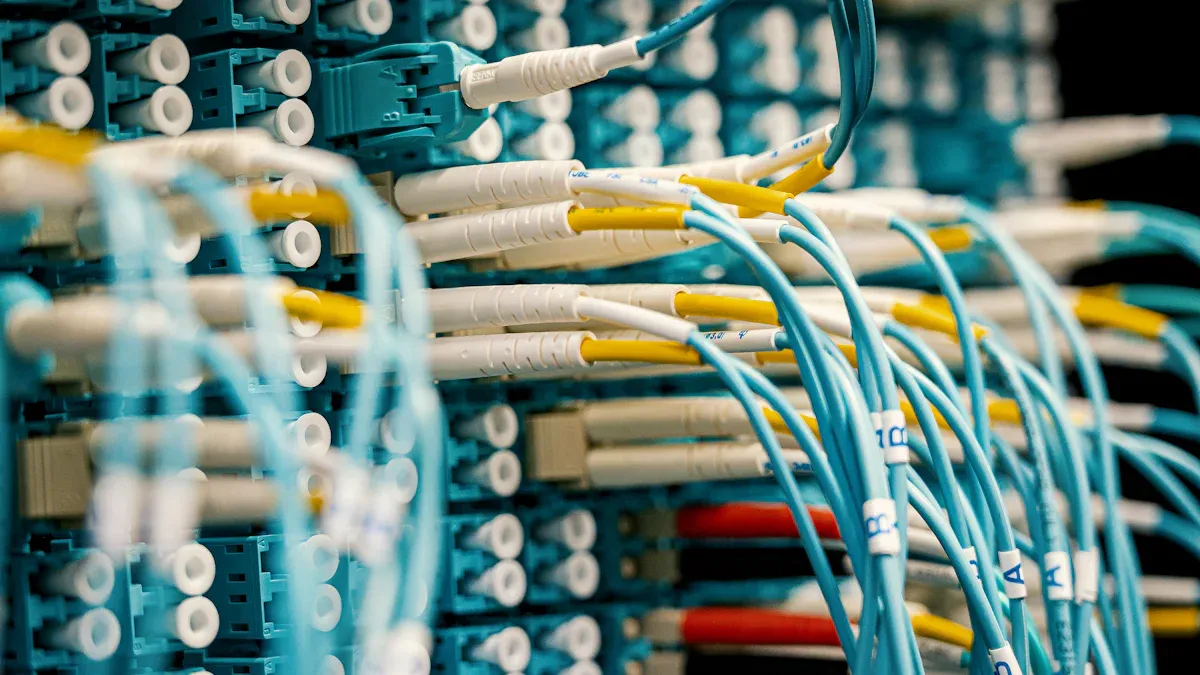
La tecnología MPO se ha convertido una piedra angular en los centros de datos modernos y las redes de alta densidad. Arriba a 40% de centros de datos Actualmente utilizamos la tecnología MPO con regularidad. Esta adopción generalizada surge de la necesidad de una transmisión de datos eficiente y optimización del espacio. Los adaptadores MPO permiten múltiples fibras ópticas para ser alojadas en un único conector compacto. Este diseño aumenta significativamente la densidad de puertos sin requerir espacio adicional en el rack. Además, admite transmisión óptica paralela, lo que lo hace ideal para aplicaciones de gran ancho de banda, como agregación y redes de almacenamiento de alta capacidad.
Redes de Telecomunicaciones y Fibra Óptica
En telecomunicaciones, los adaptadores MPO ofrecen varias ventajas que mejoran el rendimiento de la infraestructura. Ellos ahorrar espacio ocupando menos área en racks de servidores, lo que permite más conexiones en espacios físicos limitados. Además, los adaptadores MPO son rentable, consume menos energía por Gbps. Esta eficiencia conduce a facturas de energía más bajas y a un costo total de propiedad favorable. También admiten un gran ancho de banda y velocidad, con algunas configuraciones capaces de alcanzar los 400 Gbps. Esta capacidad mejora la eficiencia de la transferencia de datos, lo que convierte a la tecnología MPO en la opción preferida de los proveedores de telecomunicaciones.
Los beneficios clave de los adaptadores MPO en telecomunicaciones incluyen:
- Ahorro de espacio: Más conexiones caben en áreas más pequeñas.
- Rentable: El consumo de energía reducido reduce los costos operativos.
- Alto ancho de banda y velocidad: Admite múltiples Gbps para una transferencia de datos eficiente.
- Escalabilidad y flexibilidad: Fácilmente ajustable para satisfacer las necesidades cambiantes.
Tecnologías emergentes y tendencias futuras
El futuro de la tecnología MPO parece prometedor, impulsado por las tecnologías emergentes. Los cables MPO 16 son cruciales para satisfacer las demandas de ancho de banda de los centros de datos impulsados por IA y las redes 5G. Empacan 16 fibras en un solo conector, lo que proporciona una densidad de puertos 33% más alta que los MPO tradicionales de 12 fibras. Se proyecta que el mercado global de MPO superará los $2.1 mil millones en 2024, lo que indica una rápida adopción impulsada por estos avances.
A medida que aumenta la demanda de conectividad óptica de alta densidad, están surgiendo varias tendencias:
- El despliegue de redes 5G está impulsando la necesidad de una infraestructura escalable.
- Las innovaciones en diseño probablemente incluirán conectores compactos y duraderos.
- Se prevé la integración de funciones inteligentes para la eficiencia del mantenimiento.
- Los avances en los procesos de fabricación mejorarán la calidad y consistencia del producto.
Estas tendencias resaltan el papel fundamental de la tecnología MPO en la configuración del futuro de las redes. A medida que las organizaciones continúen adaptándose a las demandas cambiantes, los adaptadores MPO seguirán siendo esenciales para lograr una conectividad de alto rendimiento.
Elegir el adaptador MPO adecuado
Factores a considerar
Seleccionar el adaptador MPO correcto Implica evaluar varios factores críticos. Estos factores garantizan que el adaptador elegido satisfaga las necesidades de aplicaciones específicas y funcione de manera óptima. Las consideraciones clave incluyen:
- Recuento de núcleo: El número de fibras determina la capacidad del ancho de banda. Un mayor número de núcleos es esencial para aplicaciones de alta densidad.
- Tipo de fibra: Elija entre monomodo para largas distancias y multimodo para distancias más cortas. Esta elección es crucial para cumplir con los requisitos de la aplicación.
- Configuración del conector: Asegure la compatibilidad con el equipo existente para evitar problemas de conectividad.
- Normas de rendimiento: Busque métricas como la pérdida de inserción y la pérdida de retorno, que son vitales para mantener las velocidades de datos.
- Factores ambientales: Considere revestimientos y elementos de protección que se adapten a las condiciones de instalación.
- Longitud y enrutamiento: Opte por configuraciones que minimicen el desorden y eviten la degradación de la señal.
Además, factores como el grado y la polaridad de la fibra, la calidad del conector y la construcción del cable desempeñan un papel importante en el rendimiento. Los conectores de alta calidad reducen la pérdida de señal y mejoran la confiabilidad, mientras que las cubiertas resistentes garantizan durabilidad frente a factores ambientales estresantes.
Compatibilidad con los sistemas existentes
Problemas de compatibilidad A menudo surgen problemas al integrar adaptadores MPO con sistemas de fibra óptica heredados. Es posible que los sistemas más antiguos no admitan componentes más nuevos, lo que complica el proceso de actualización. Garantizar que el adaptador MPO seleccionado funcione perfectamente con la infraestructura existente es crucial para mantener la eficiencia de la red. Esta compatibilidad puede evitar costosos tiempos de inactividad e interrupciones operativas.
Estándares de calidad y desempeño
Los estándares de calidad y rendimiento rigen la eficacia de los adaptadores MPO. El cumplimiento de estos estándares garantiza una transmisión de datos confiable y eficiente. Un estándar clave es CEI 61300-3-35, que describe los requisitos para las caras extremas del conector. Esta norma define criterios de calificación, incluida la limpieza y los límites de defectos.
| Standard | Description |
|---|---|
| CEI 61300-3-35 | Garantiza la calidad y el rendimiento al describir los requisitos para las caras de los extremos del conector. |
Al seleccionar adaptadores MPO que cumplan con estos estándares de la industria, los ingenieros de redes pueden mejorar el rendimiento general de sus sistemas. Esta atención a la calidad ayuda a mantener altas velocidades de datos y minimiza la pérdida de señal, asegurando una funcionalidad óptima de la red.
Los conectores y adaptadores MPO desempeñan un papel vital en las redes modernas. Mejoran la eficiencia de la transmisión de datos y admiten aplicaciones de alta densidad. A medida que las redes evolucionan, la necesidad de soluciones confiables y escalables se vuelve primordial.
Key Takeaways:
- La tecnología MPO aumenta la conectividad y reduce los requisitos de espacio.
- Los adaptadores garantizan una integración perfecta entre varios sistemas.
- Invertir en soluciones MPO prepara a las organizaciones para las demandas futuras.
Las organizaciones deberían considerar la adopción de la tecnología MPO para seguir siendo competitivas y satisfacer las crecientes necesidades de datos.
FAQ
¿Cuál es la función principal de los adaptadores MPO?
Los adaptadores MPO conectan múltiples conectores MPO, asegurando una alineación precisa de las fibras. Facilitan la transmisión de datos eficiente en entornos de redes de alta densidad.
¿Cómo elijo el adaptador MPO correcto?
Considere el número de núcleos, el tipo de fibra, la configuración del conector y los estándares de rendimiento. Garantice la compatibilidad con los sistemas existentes para evitar problemas de conectividad.
¿Pueden los adaptadores MPO admitir fibras monomodo y multimodo?
Sí, los adaptadores MPO pueden admitir fibras monomodo y multimodo. Esta versatilidad los hace adecuados para diversas configuraciones de red.
¿Cuáles son los beneficios de utilizar la tecnología MPO en los centros de datos?
La tecnología MPO aumenta la densidad de puertos, optimiza el espacio y admite aplicaciones de gran ancho de banda. Mejora la eficiencia general en los centros de datos.
¿Cómo afecta la tecnología MPO a la instalación y el mantenimiento?
La tecnología MPO simplifica la instalación y el mantenimiento al permitir que se conecten múltiples fibras a través de una única interfaz. Este diseño reduce el desorden y agiliza la organización.
¿Son rentables los adaptadores MPO?
Sí, los adaptadores MPO suelen tener costos iniciales más bajos y pueden generar ahorros a largo plazo al reducir los gastos operativos y de mantenimiento.
¿Cuál es la densidad máxima de fibra que se puede lograr con los adaptadores MPO?
Los adaptadores MPO pueden alcanzar una densidad de fibra máxima de 144 fibras en solo 1U de espacio en rack, lo que aumenta significativamente la capacidad en áreas limitadas.
¿Cómo puedo garantizar la calidad de los adaptadores MPO?
Seleccione adaptadores MPO que cumplan con los estándares de la industria, como IEC 61300-3-35. Esto garantiza un rendimiento confiable y minimiza la pérdida de señal.
 Spanish
  English
  Russian
  Portuguese
  Korean
  Japanese