
Введение
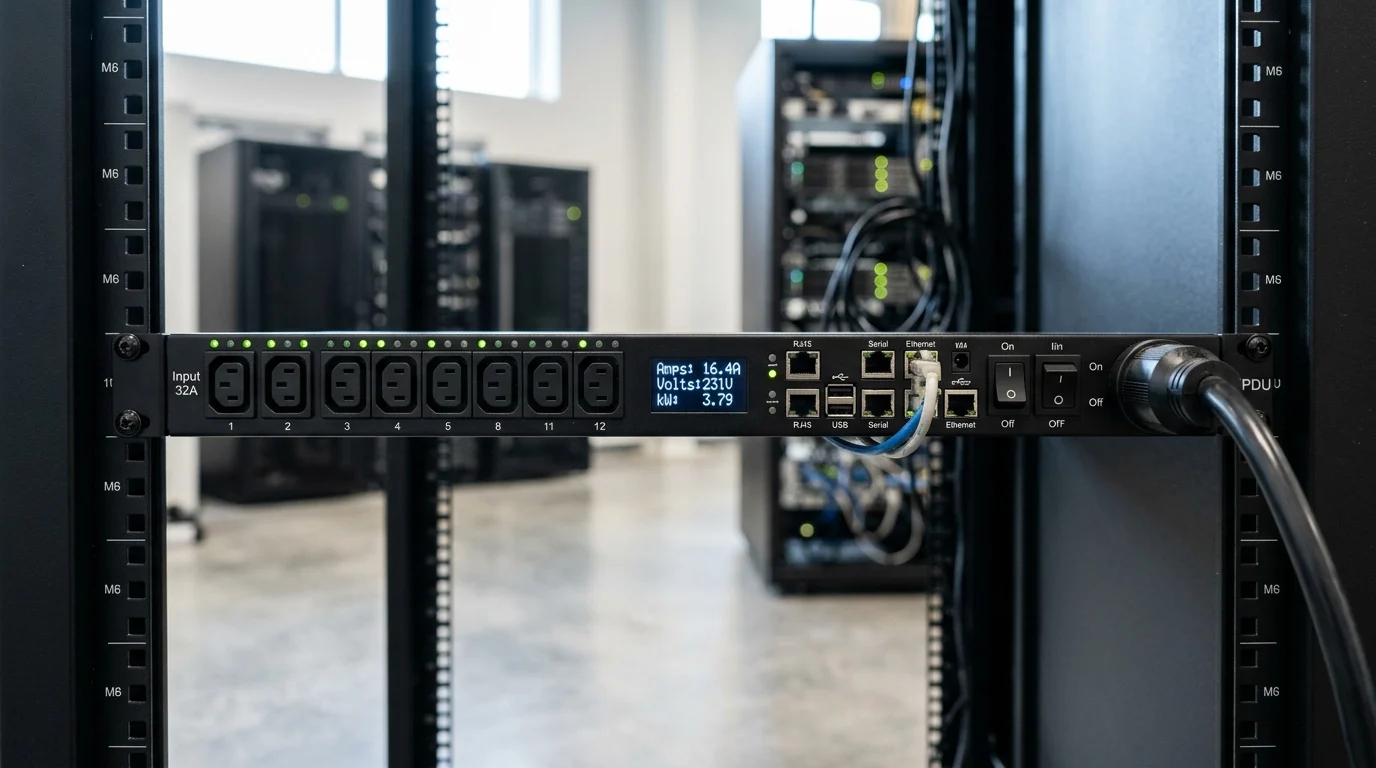
Поскольку центры обработки данных сталкиваются с более жесткими энергетическими бюджетами и более строгими целями устойчивого развития, распределение электроэнергии больше нельзя рассматривать как пассивный уровень коммунальных услуг. Интеллектуальный PDU дает операторам информацию на уровне стойки о том, где потребляется электроэнергия, помогая им отслеживать нагрузки в режиме реального времени, сокращать отходы и поддерживать более эффективное планирование мощности. Это также улучшает распределение мощности по сетевому оборудованию, обеспечивая баланс между надежностью и необходимостью снизить общее энергопотребление и тепловыделение. В этой статье объясняется, почему интеллектуальные PDU важны для экологически чистых центров обработки данных, какие возможности приносят наибольшую практическую ценность и как более качественные измерения приводят к более разумным эксплуатационным решениям.
Почему интеллектуальные PDU важны для экологически чистых центров обработки данных
Любой, кто проводил время в серверных комнатах, знает, что шум центра обработки данных — это, по сути, звук электричества, превращающегося в тепло. За последнее десятилетие отрасль столкнулась с огромным давлением с требованием навести порядок в своих действиях. Здание Экологически чистые центры обработки данных это уже не просто модное маркетинговое словечко; это строгий оперативный мандат, обусловленный растущими глобальными ценами на энергоносители и агрессивными корпоративными целями по нейтрализации выбросов углекислого газа. Мы больше не можем позволить себе относиться к власти как к неограниченному, невидимому ресурсу.
Распространенной проблемой при модернизации объекта является видимость. Вы просто не можете оптимизировать то, что не можете измерить. Традиционный модели распределения электроэнергии просто пропускайте ток от ИБП непосредственно к серверам, оставляя менеджеров объектов совершенно слепыми к тому, куда на самом деле поступает энергия на уровне стойки. Именно здесь на помощь приходит современная система электропитания, действующая как интеллектуальная нервная система серверного шкафа, а не просто пассивный удлинитель.
Модернизируя инфраструктуру, предприятия переходят от прогнозирования энергетических нагрузок к детальной телеметрии в реальном времени. Этот сдвиг важен для снижения коэффициента эффективности использования энергии (PUE). Снижение PUE объекта с устаревшего 1,8 до сверхэффективного 1,2 требует абсолютной точности в том, как мы распределяем, отслеживаем и управляем каждым ваттом, поступающим в здание.
Определение и область применения
Что именно означает развертывание Интеллектуальный PDU ? Это подключаемый к сети блок распределения электроэнергии, который выходит далеко за рамки обычного измерения тока. Эти устройства предлагают телеметрия на уровне розетки , возможности дистанционного переключения и интеграцию датчиков окружающей среды. Объем их развертывания охватывает все: от стандартных корпоративных шкафов высотой 42U до высокоплотных вычислительных кластеров с искусственным интеллектом, потребляющих от 30 до 50 кВт на стойку. Они устраняют разрыв между ИТ-оборудованием и электропитанием объекта, предоставляя операторам единое цифровое представление о потреблении электроэнергии.
Стратегические преимущества
Стратегические победы здесь огромны. Во-первых, операторы получают абсолютный контроль над Управление питанием , что позволяет идентифицировать «серверы-зомби» — машины, простаивающие, но продолжающие потреблять 200 Вт непрерывной энергии. Во-вторых, плотность стоек можно безопасно увеличить без отключения выключателей за счет использования данных балансировки фаз для равномерного распределения нагрузки по трехфазным цепям. Наконец, воздействие на окружающую среду поддается количественной оценке. Благодаря динамическому управлению режимами электропитания и оптимизации охлаждения на основе фактической тепловой мощности предприятия могут сократить выбросы углекислого газа до 15% только за первый год развертывания.
Как оценить параметры интеллектуального PDU
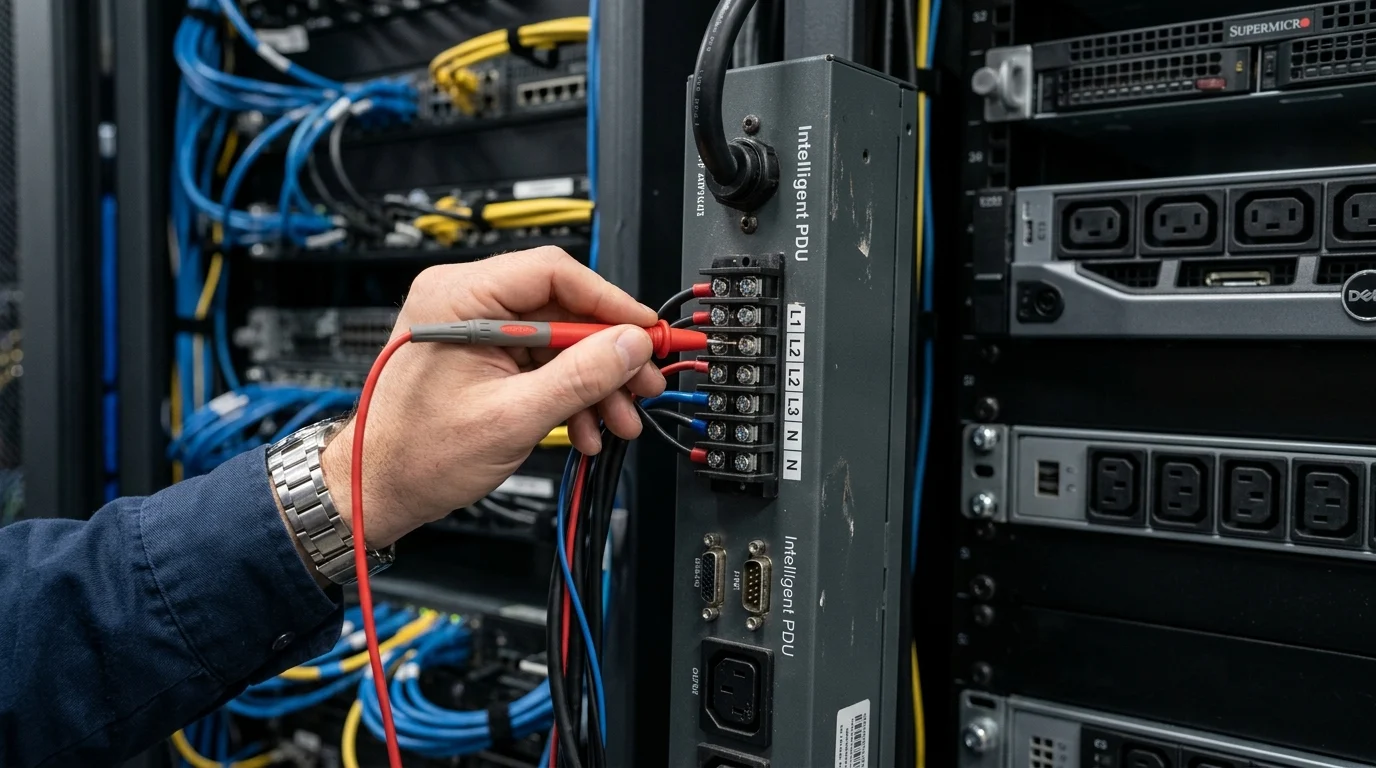
При выборе строительства нового центра обработки данных или его модернизации огромное количество вариантов распределения электроэнергии может оказаться ошеломляющим. Каждый поставщик обещает мир, но оценка этих устройств требует тщательного анализа требований вашей конкретной рабочей нагрузки. Вам необходимо сбалансировать потребность в глубокой телеметрии с реальным бюджетом вашего оборудования и способностью вашей сети обрабатывать управляющий трафик.
Процесс оценки начинается с анализа Сетевое распределение мощности архитектура. Подаете ли вы в стойку трехфазное питание 120, 208 или 400 В? Чем выше напряжение, тем эффективнее подача энергии, что напрямую способствует достижению экологических целей за счет снижения потерь при передаче. Однако использование высокого напряжения означает, что сам PDU должен быть изготовлен с соблюдением строгих стандартов безопасности, внутренней проводки и тепловых стандартов.
Помимо электрических характеристик, критически важна оценка экосистемы программного обеспечения. Умный PDU хорош настолько, насколько хорош API, от которого он зависит. Ищите встроенную поддержку SNMPv3, RESTful API и бесшовная интеграция с существующими платформами управления инфраструктурой центров обработки данных (DCIM). Устройства, которые заманивают пользователей в ловушку проприетарного, закрытого поставщиком программного обеспечения, должны немедленно нарушить условия сделки.
Ключевые характеристики
Изучая спецификации, отдавайте предпочтение высокотемпературным характеристикам. Современные стратегии локализации горячих коридоров могут привести к повышению температуры выхлопных газов стойки выше 50°C (122°F), поэтому ваш PDU должен быть рассчитан на непрерывную работу при температуре не менее 60°C, чтобы предотвратить преждевременный выход из строя. Далее учтите силу тока и плотность розетки. Обычно достаточно стандартного сочетания от 24 до 36 розеток C13 и C19, но для кластеров AI с высокой плотностью ищите входы 60 А с розетками с переменной фазой, чтобы упростить прокладку кабелей. Точность также имеет жизненно важное значение; ищите биллинговые счетчики с точностью +/- 1%.
Критерии сравнения
Чтобы понять рынок, PDU обычно делятся на четыре отдельных уровня. Вот разбивка критериев сравнения при принятии решения о том, что купить для конкретного развертывания.:
| Категория PDU | Глубина телеметрии | Дистанционное переключение | Типичная надбавка к стоимости | Лучший вариант использования |
|---|---|---|---|---|
| Базовый / Тупой | Никто | Нет | Базовый уровень ($) | Некритичные краевые шкафы |
| Измеренный | Совокупный (уровень единицы) | Нет | 1,5x – 2x ($$) | Устаревшие колокейшн-пространства |
| Переключено | Совокупный (уровень единицы) | Да (на каждую розетку) | 2,5x – 3x ($$$) | Удаленные сайты, требующие перезагрузки |
| Разумный | Определение каждой розетки | Да (на каждую розетку) | 4x – 5x ($$$$) | Экологически чистые центры обработки данных с высокой плотностью размещения |
Как реализовать интеллектуальный PDU
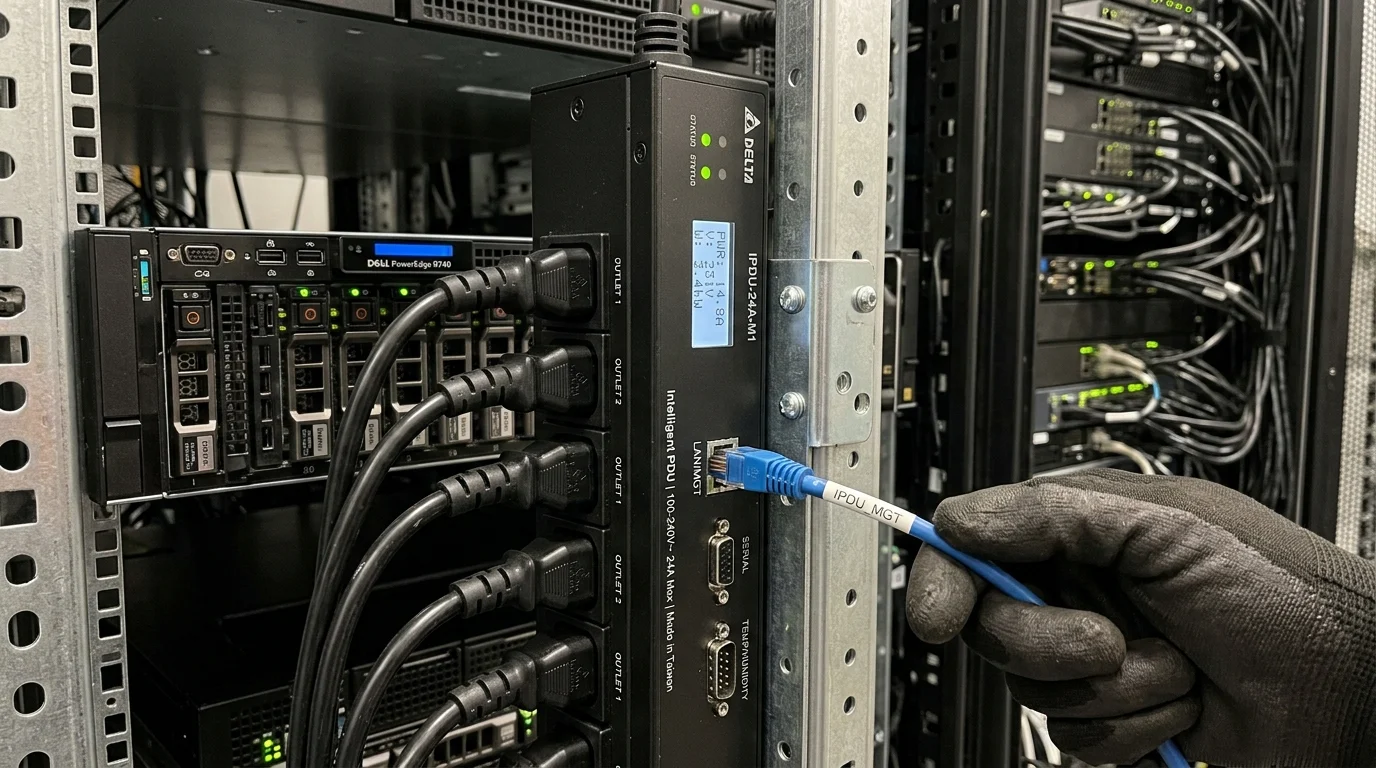
Покупка оборудования — самая простая часть; установка его в стойку, штабелирование и безопасная связь в сети — вот где начинается настоящая работа. Плохое планирование может привести к случайному простою, поэтому необходимо структурированное развертывание. Вы физически прикасаетесь к электрической сети своих серверов, поэтому для каждого шага необходим запасной план.
Фаза внедрения требует тесной координации между электриками объектов и инженерами ИТ-сетей. Поскольку эти устройства находятся в сети, им требуются IP-адреса, конфигурация VLAN и строгие политики кибербезопасности. Относитесь к интеллектуальным удлинителям точно так же, как коммутаторы базовой сети : они должны быть защищены брандмауэром, тщательно контролироваться и регулярно обновляться для предотвращения уязвимостей.
Еще одним важным фактором является физическое пространство для установки.
Ключевые выводы
- Наиболее важные выводы и обоснование использования интеллектуального PDU
- Проверки спецификаций, соответствия и рисков, которые стоит проверить перед принятием решений.
- Практические последующие шаги и предостережения, которые читатели могут применить немедленно.
Часто задаваемые вопросы
Чем интеллектуальный PDU отличается от базового стоечного PDU?
Интеллектуальный PDU обеспечивает возможность подключения к сети, измерение уровня розетки, удаленное переключение и поддержку датчиков, поэтому вы можете отслеживать и контролировать питание стойки в режиме реального времени, а не только распределять его.
Как интеллектуальный PDU может помочь снизить PUE в центре обработки данных?
Он показывает реальную нагрузку на стойки и розетки, помогая найти простаивающее оборудование, сбалансировать фазы и согласовать охлаждение с фактической тепловой мощностью. Такая видимость способствует более точному снижению энергопотребления.
Какие характеристики имеют наибольшее значение при выборе интеллектуального PDU?
Сосредоточьтесь на совместимости напряжений и фаз, рабочих характеристиках при температуре 60°C, составе розеток, входной силе тока и точности измерения около +/- 1%. Также проверьте поддержку интеграции SNMPv3, REST API и DCIM.
Подходит ли интеллектуальный PDU для стоек AI или HPC с высокой плотностью размещения?
Да, если он рассчитан на высокие температуры стойки, более высокие входные токи, например 60 А, и расположение розеток с переменными фазами. Эти функции помогают безопасно управлять нагрузками стойки от 30 до 50 кВт.
Где я могу просмотреть варианты интеллектуальных PDU для экологически чистого развертывания?
Вы можете изучить интеллектуальные PDU и решения по распределению сетевого питания на сайте Newsunn по адресу /products/, чтобы сравнить функции модернизации и новых построений центров обработки данных.